
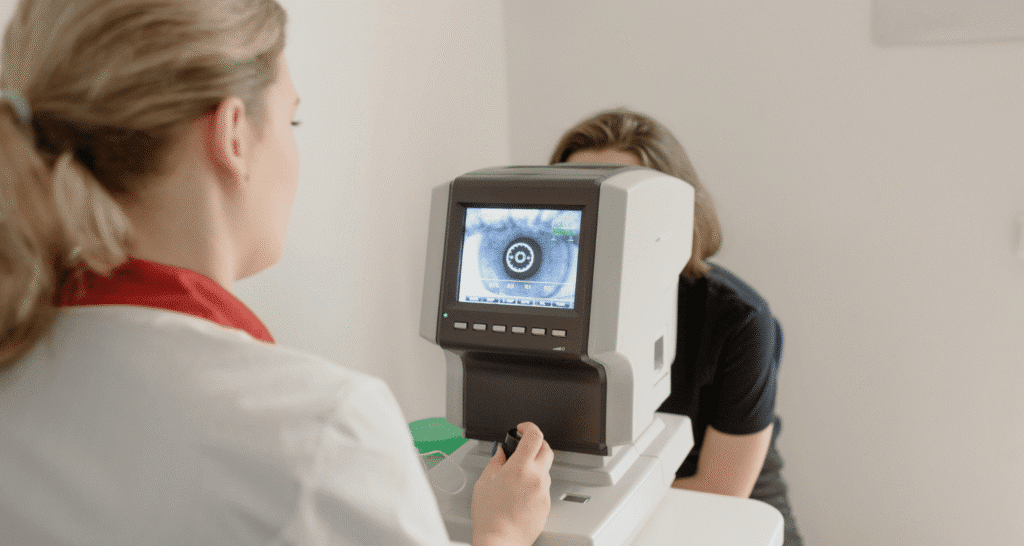

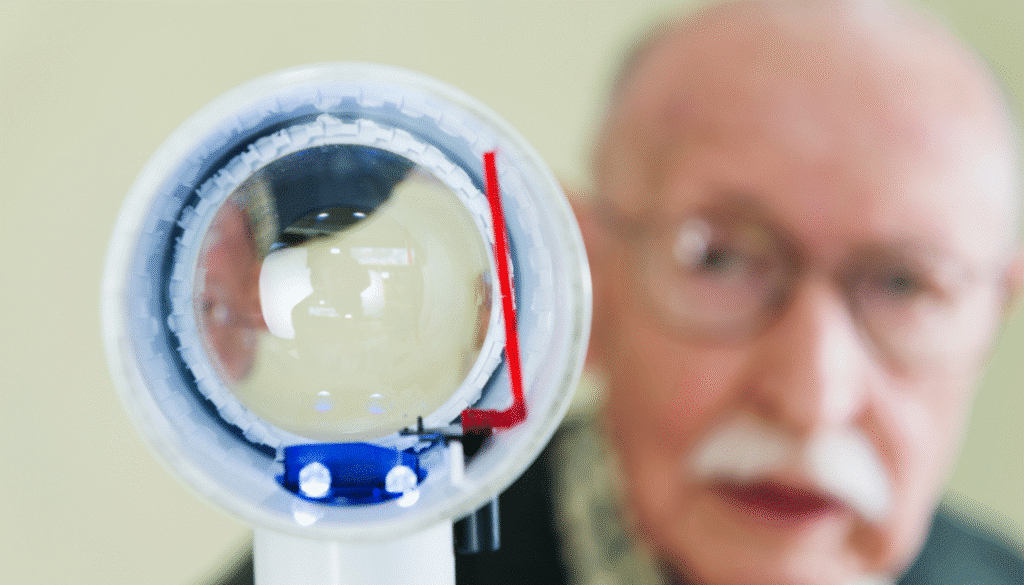
Your eyes deserve professional attention. Our La Vergne vision clinic offers complete eye care for the whole family. We combine modern diagnostic tools with a patient-centered approach to protect your sight.
Healthy vision requires regular monitoring. We find problems early and provide solutions that fit your life. From routine checkups to advanced treatments, we deliver the care you need in your own community.
Daily disposable contacts offer convenience and healthy eyes. You wear a fresh pair each day with no cleaning required. These lenses reduce infection risk and eliminate solution costs. We also fit weekly and monthly disposables based on your preference and prescription needs. Modern materials allow oxygen to reach your eyes for all-day comfort.
GP lenses provide crisp vision and long-term value. These rigid lenses maintain their shape on your eye for excellent optical quality. They're ideal for astigmatism, high prescriptions, and irregular corneas. GP lenses last one to two years with proper care. Many patients achieve sharper vision with GP lenses than soft contacts.
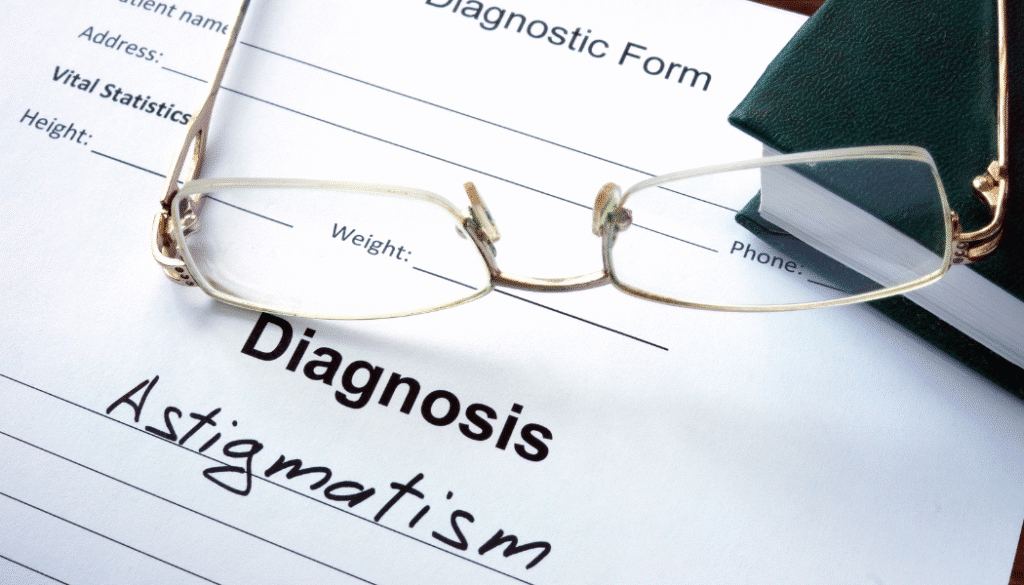
Astigmatism causes blurred vision at all distances. This common condition results from an irregularly shaped cornea or lens. We diagnose astigmatism during comprehensive exams using specialized measurements. Treatment options include toric soft contacts, GP lenses, or eyeglasses with cylindrical correction. Most patients achieve excellent vision with proper correction.
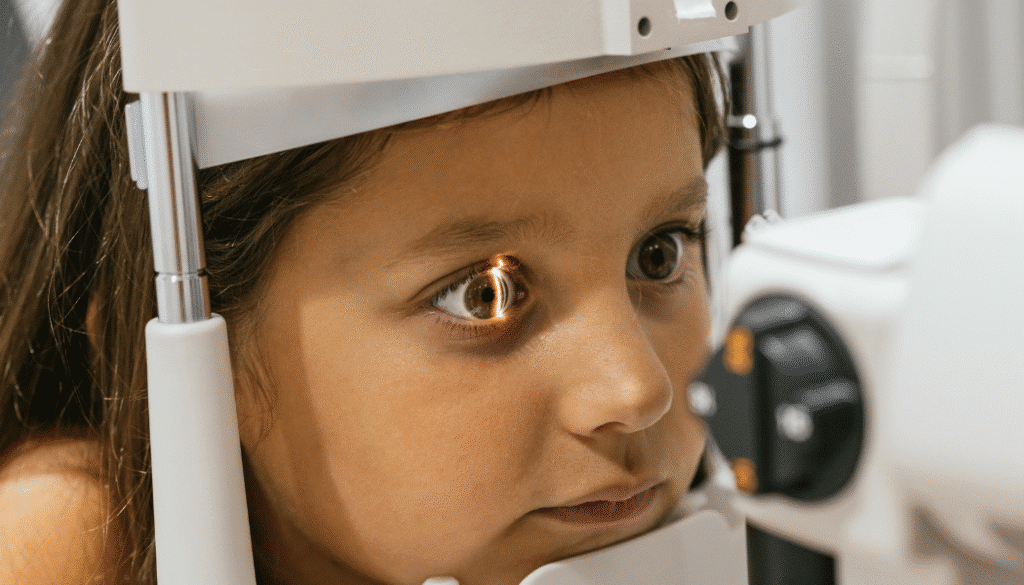
Children's vision affects learning and development. We perform age-appropriate testing that checks visual clarity, eye coordination, tracking ability, and focusing skills. Early exams catch lazy eye, crossed eyes, and refractive errors. We make visits fun and quick for young patients. Most children should start exams by age three or earlier if concerns arise.
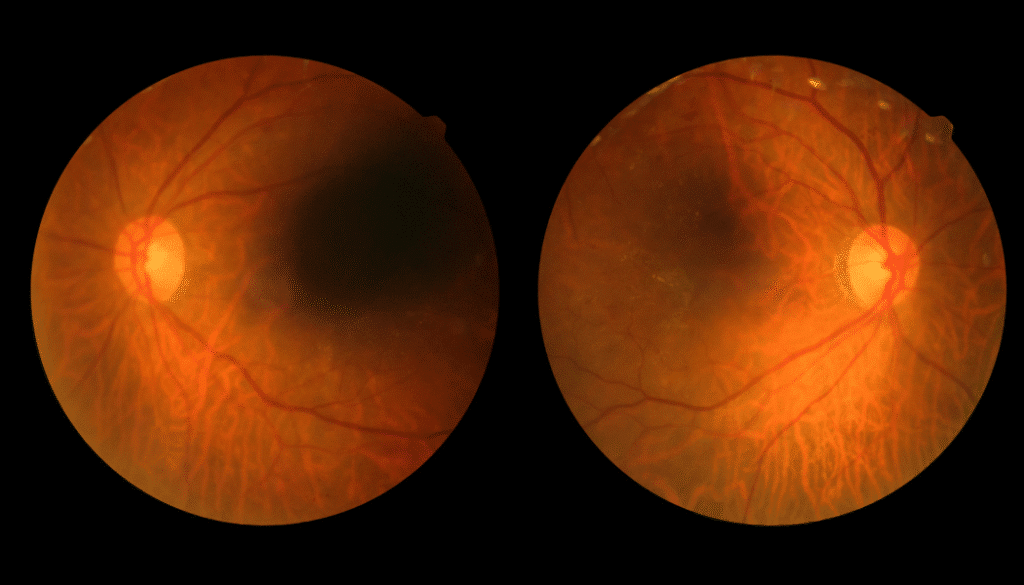
Diabetes damages blood vessels in the retina. This condition threatens sight but often shows no early symptoms. We screen diabetics carefully with dilated exams and retinal photography. Early detection allows timely referral for treatment that prevents vision loss. Diabetic patients need yearly exams or more frequent monitoring based on disease severity.
Age-related macular degeneration affects central vision needed for reading and driving. We monitor for this condition using retinal imaging and specialized testing. Early detection improves treatment outcomes. We coordinate care with retinal specialists when needed. Nutritional supplements and lifestyle changes can slow progression in some cases.
Our eye care professionals bring both skill and warmth to every appointment. We take time to listen and explain everything thoroughly. Your visual health and peace of mind matter most to us.
Quality vision care should be within reach. We work with most major insurance providers for both vision and medical coverage. Call us with your insurance information when booking. We'll verify your benefits and clarify your financial responsibility.
La Vergne families trust us for detailed exams and caring service. Patients value our ability to explain complex issues simply. We're honored to be part of your healthcare team.
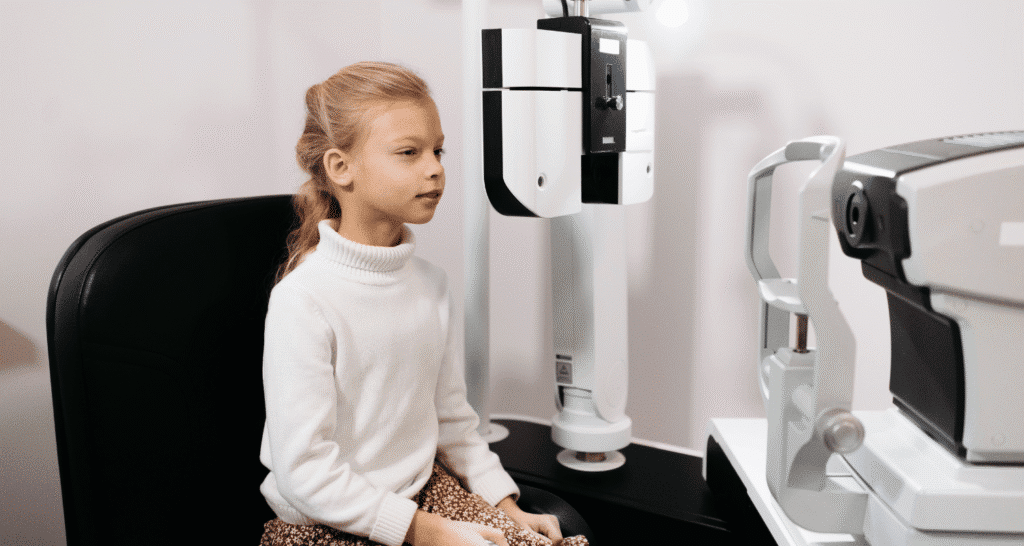
We offer disposable contact lenses, gas permeable contact lenses, astigmatism diagnosis and treatment, pediatric eye exams, diabetic retinopathy screening and management, and macular degeneration monitoring.
Yes. We fit toric soft lenses and gas permeable lenses that correct astigmatism. We’ll help you choose the best option for your prescription and lifestyle.
Daily disposables eliminate cleaning routines and reduce infection risk. You get fresh lenses every day for maximum comfort and convenience. They’re ideal for people with allergies or dry eyes.
We recommend the first exam around age three unless you notice issues earlier. Early screenings catch problems that affect learning and development before school starts.
Diabetes can damage retinal blood vessels and cause vision loss. Regular eye exams detect problems early when treatment works best. Diabetic patients need yearly screenings at minimum.
While we can’t prevent it completely, healthy habits help. Not smoking, eating leafy greens, protecting eyes from UV light, and taking specific vitamins may reduce risk or slow progression.