If you have never had a full eye exam before, it is normal to feel a little unsure about what is going to happen. Maybe you are worried it will hurt. Maybe you just do not know what to expect.
Here is the truth: a comprehensive eye exam is simple, mostly painless, and takes less than an hour in most cases. It checks both your vision and the health of your eyes, and it can catch problems before you even notice symptoms.
This guide walks you through every step so you know exactly what is coming.
What Is a Comprehensive Eye Exam?
A comprehensive eye exam is a full evaluation of your vision and eye health. It is not the same as a quick vision screening at school or the DMV.
A vision screening only checks if you can see a chart clearly. A full eye exam goes much further. It looks at how your eyes focus, move, and handle pressure. It also checks the internal structures of your eye for signs of disease.
The American Academy of Ophthalmology recommends routine comprehensive eye exams for all adults, not just those who wear glasses or have known eye problems.
A full exam can detect glaucoma, cataracts, macular degeneration, diabetic eye disease, and many other conditions before they cause noticeable vision loss. That early detection is what makes routine eye care so important.
Step 1: Patient History and Consultation
Every eye exam starts with a conversation. Your optometrist will ask about:
- Any vision problems or changes you have noticed
- Headaches, eye strain, or difficulty seeing at night
- Your current medications
- Any family history of eye conditions like glaucoma or macular degeneration
- Your overall health history
This step matters more than most people realize. Many eye conditions are linked to health issues like diabetes, high blood pressure, and autoimmune conditions. Your answers help the doctor know where to look.
Bring a list of your current medications and your old glasses or contact lens prescription if you have one.
Step 2: Visual Acuity Test
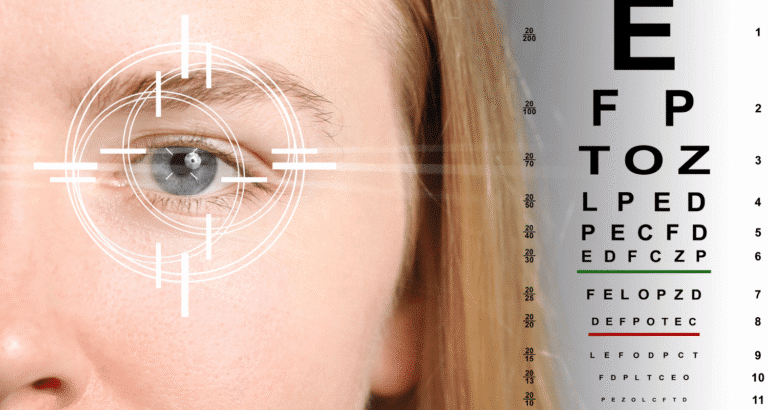
This is the classic part most people remember. You sit across the room from a chart with letters that get smaller line by line. This is called a Snellen chart.
You read the letters with one eye covered, then the other. This tells the doctor how clearly you can see at a distance. Near vision may also be tested with a smaller card held closer to your face.
The result is your visual acuity score. 20/20 means normal vision. 20/40 means you need to be 20 feet away to see what a person with normal vision sees at 40 feet.
Step 3: Refraction Test
This is where your optometrist figures out your glasses or contact lens prescription, if you need one.
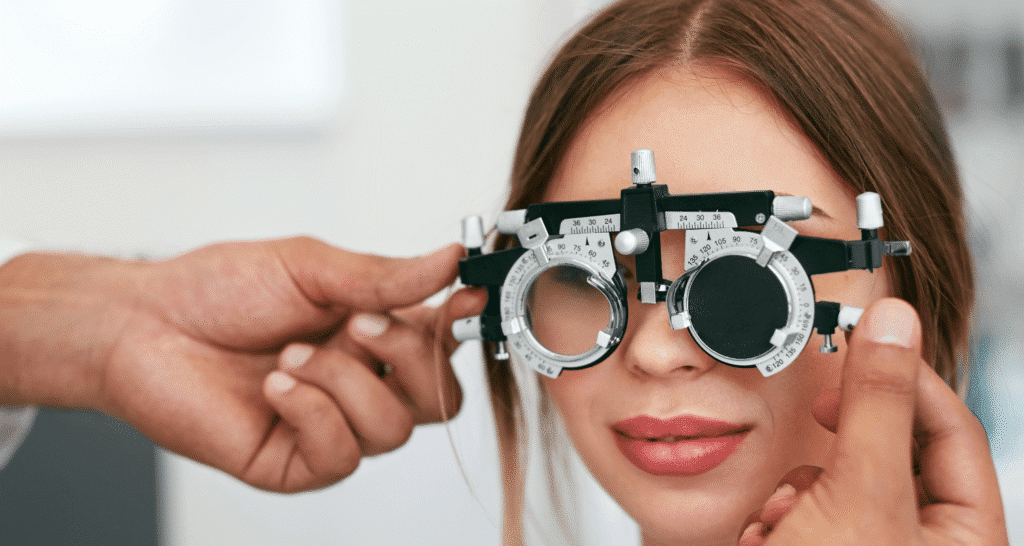
You will look through a device called a phoropter. It looks like a large mask with different lens options built in. The doctor will switch between lenses and ask you a simple question over and over: “Which is clearer, one or two?”
There are no wrong answers. Just say what you actually see. The goal is to find the exact lens power that gives you the sharpest, most comfortable vision.
This test determines whether you are nearsighted, farsighted, or have astigmatism, and by how much.
If you need contact lenses, additional measurements of your eye shape will also be taken. You can learn more about that process on our contact lens exams page.
Step 4: Eye Health Examination with the Slit Lamp
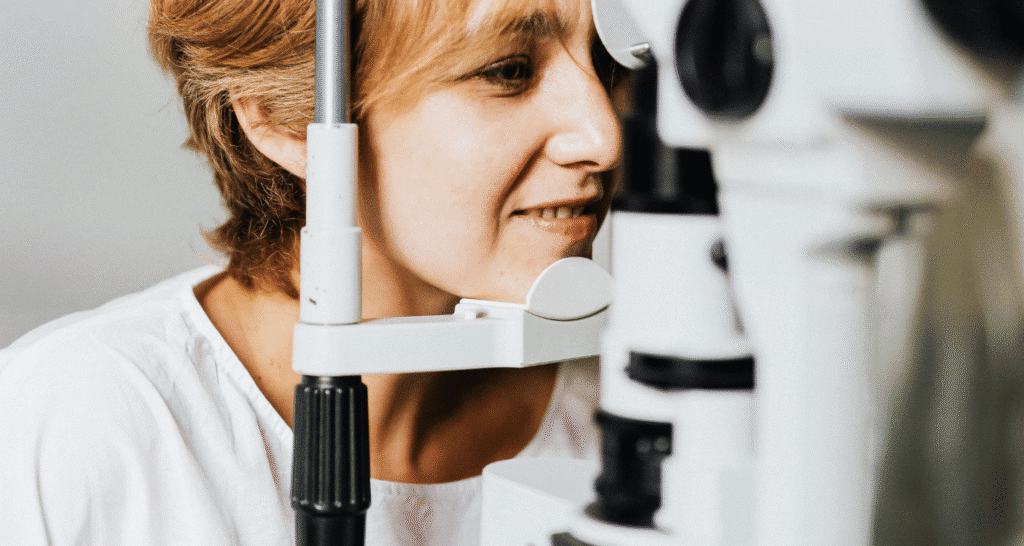
This test sounds more intimidating than it is. A slit lamp is simply a microscope with a bright light attached. You rest your chin on a support, and the doctor looks at the front of your eye up close.
This lets them examine:
- The cornea (the clear front surface of your eye)
- The iris and lens
- Signs of cataracts, infections, corneal scratches, or inflammation
It is completely non-invasive. You just hold still and look straight ahead while the doctor examines each eye. The light is bright but it does not hurt.
Step 5: Eye Pressure Test (Tonometry)
This test measures the fluid pressure inside your eye. High eye pressure is one of the main risk factors for glaucoma, a condition that can cause permanent vision loss if not caught early.
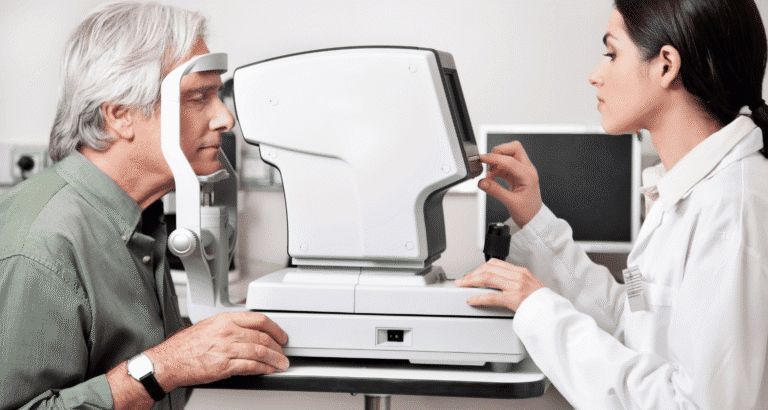
Most people know this as the “air puff test.” A small burst of air is directed at your eye, and the machine measures how your eye responds. Some clinics use a gentle probe that lightly touches the surface of the eye instead.
Neither version is painful. The air puff surprises most people, but it is over in a second.
You can read more about how we screen for and manage this condition on our glaucoma testing and treatment page.
Step 6: Pupil Dilation and Retina Exam
This step is not done at every visit, but it is an important part of a thorough eye health check.
Your optometrist places drops in your eyes that cause the pupils to open wide. This takes about 15 to 30 minutes to take full effect. Once dilated, the doctor can use a light and lens to look at the back of your eye, including:
- The retina (the light-sensitive layer at the back of your eye)
- The optic nerve
- Blood vessels in the eye
This is how doctors detect conditions like macular degeneration, diabetic retinopathy, and retinal tears. Many of these conditions show no symptoms in the early stages, which is why dilation is so valuable.
After dilation, your vision may be blurry and your eyes will be sensitive to light for a few hours. Bring sunglasses and consider having someone drive you home if possible.
Step 7: Additional Vision Tests
Depending on your age, symptoms, and risk factors, your exam may also include:
- Peripheral vision testing to check for blind spots
- Eye movement and tracking tests
- Depth perception checks
- Eye coordination evaluation
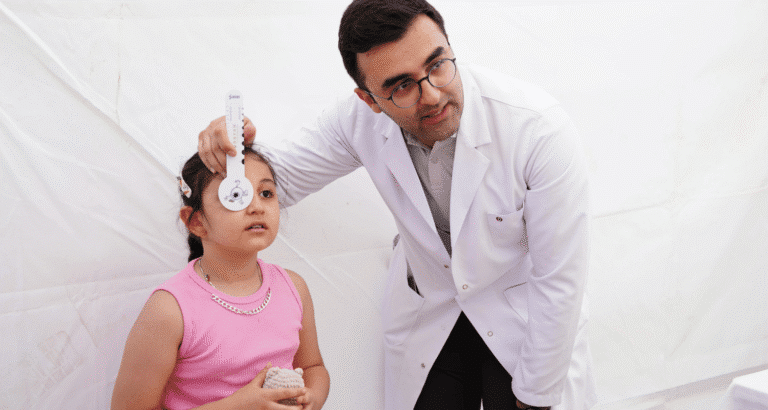
These tests are especially important for children. Poor eye coordination or depth perception can affect reading and learning. You can find out more on our kids’ vision and learning page.
How Long Does an Eye Exam Take?
A standard comprehensive eye exam takes about 30 to 60 minutes. If your pupils are dilated, add another 30 minutes or more to your total time at the clinic.
First-time patients may take a bit longer since there is more history to review. Follow-up visits for existing patients tend to be quicker.
Plan for at least an hour, especially if this is your first exam with a new provider.
Does an Eye Exam Hurt?
Almost all of the tests are completely painless. The bright light from the slit lamp can feel a little uncomfortable if your eyes are sensitive, but it passes quickly.
The air puff from the tonometry test surprises most people, but it does not hurt.
After dilation, your eyes may feel a bit sensitive to light and your close-up vision will be blurry for a few hours. This is temporary.
If you have any concerns, just tell your optometrist. They can explain what each test involves before they start.
What Conditions Can Be Detected?
A comprehensive eye exam can identify many conditions early, including:
Glaucoma: Detected through eye pressure testing and optic nerve inspection. Early treatment can prevent vision loss.
Cataracts: Identified through slit lamp examination of the lens. Common in adults over 60.
Macular degeneration: Spotted during the retina exam. More common with age and family history.
Diabetic retinopathy: Visible through retinal imaging. A serious concern for people with diabetes.
Dry eye disease: Often identified through symptoms and slit lamp findings. Very treatable with the right approach. Learn more on our dry eye disease and treatment page.
Prescription changes: Updated through refraction testing, ensuring your vision correction stays accurate.
Eye Exams in Nashville, TN
At Barnes Talero EyeCare in Nashville, the process is straightforward. You can book an appointment by calling (615) 485-6251 or emailing info@barnestaleroeyecare.com.
The clinic accepts many vision insurance plans. It is worth checking your coverage before you come in. Our vision insurance FAQ page covers common questions about what plans typically include.
Walk-in availability may vary, so scheduling ahead is the best approach. The clinic is located at 390 Harding Place, Suite 104, Nashville, TN 37211.
Why Regular Eye Exams Matter
Most eye diseases have no noticeable symptoms in the early stages. By the time you notice something is wrong, significant damage may already have occurred.
Routine eye exams catch these problems early, when treatment is most effective. They also keep your prescription up to date, which matters for driving safety, screen comfort, and daily function.
The importance of an annual eye exam goes beyond just getting a new glasses prescription. It is a real health check for one of your most important senses.
Frequently Asked Questions
What happens during an eye exam step by step?
Your exam includes a health history review, visual acuity test, refraction check, slit lamp exam, eye pressure test, and often a dilated retina exam. Some additional tests may be added depending on your needs.
Do eye exams hurt?
No. Most tests are completely painless. The air puff test is quick and surprising but not painful. Dilation causes temporary light sensitivity.
How long does a full eye exam take?
Most comprehensive exams take 30 to 60 minutes. Dilation adds extra time for the drops to take effect.
Do I need dilation every time?
Not always. Your optometrist will recommend it based on your age, health history, and eye health. It is generally recommended every one to two years for a thorough retina check.
What diseases can eye exams detect?
Glaucoma, cataracts, macular degeneration, diabetic eye disease, dry eye syndrome, and more.
Can I drive after an eye exam?
If your eyes were dilated, driving may be difficult for a few hours due to blurred vision and light sensitivity. It is safest to bring someone with you or plan for an alternative ride.
What should I bring to an eye exam?
Bring your current glasses or contact lenses, your prescription if you have it, a list of medications, and your insurance information.
How often should I get an eye exam?
Most adults should get a comprehensive exam every one to two years. People with diabetes, a family history of eye disease, or existing eye conditions may need annual checks.
What is the difference between a vision screening and an eye exam?
A vision screening only checks basic eyesight. A comprehensive eye exam evaluates both vision and eye health in detail.
Are eye exams covered by insurance in Nashville, TN?
Many plans cover routine eye exams. Coverage varies by plan. Check your benefits or visit our vision insurance FAQ page for more guidance.
Book Your Eye Exam in Nashville Today
Whether this is your first eye exam or a long-overdue checkup, the process is simple and well worth your time. You will leave knowing your vision is accurate, your eyes are healthy, and any early issues have been caught before they become serious.
Barnes Talero EyeCare is ready to help Nashville patients of all ages get the care they need. Visit Barness Talero Eye Care to learn more or schedule your appointment today.Call us at (615) 485-6251 or email info@barnestaleroeyecare.com.