Choosing between daily and monthly contact lenses is one of the first big decisions new contact wearers face. And even long-time wearers sometimes wonder if they made the right call. The truth is, both options work well. But they work well for different people and different lifestyles.
Daily contacts give you a fresh pair every morning with zero cleaning required. Monthly contacts cost less over time but need a nightly care routine. Neither is automatically the better choice. The right answer depends on your eyes, your schedule, and your budget.
This guide breaks down everything you need to know so you can make a confident decision. At Barnes Talero EyeCare, we help Nashville patients find the right lenses for their vision needs and daily life.
What Are Daily Contact Lenses?
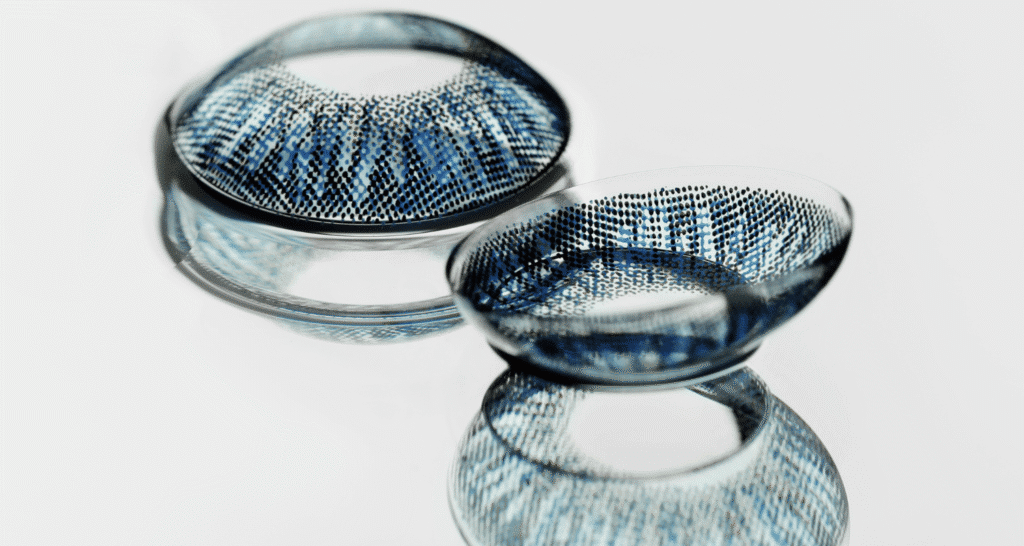
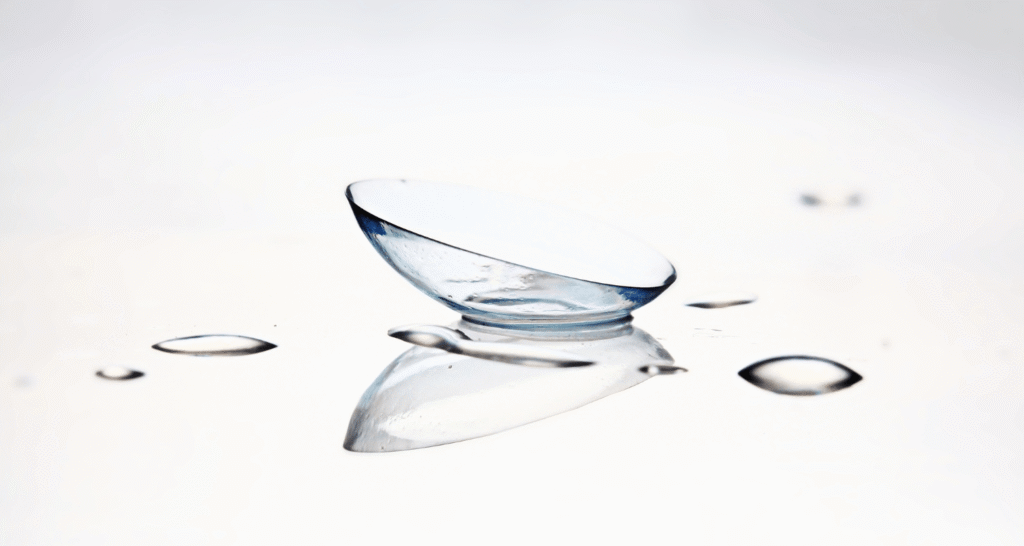
Daily contacts are single-use soft lenses. You open a fresh pair each morning, wear them all day, and throw them away at night. No cleaning. No storage case. No solution bottles.
Each lens comes sealed in its own sterile blister pack. That means every pair you put in is clean and uncontaminated.
Daily disposable contacts are available for most common prescriptions including nearsightedness, farsightedness, astigmatism, and presbyopia.
What Are Monthly Contact Lenses?
Monthly contacts are designed to be worn every day for up to 30 days before being replaced. After each wear, you clean them with contact lens solution and store them in a case overnight.
Monthly lenses are made from thicker, more durable materials like silicone hydrogel. This allows more oxygen to reach your eye and makes the lenses better suited for extended daily use.
They take more effort to maintain, but for people who are consistent with their care routine, they work very well.
Daily vs Monthly Contacts: The Key Differences
Cleaning and Maintenance
This is where the two types differ most. Daily contacts need no cleaning at all. You toss them at night and open a new pair the next day.
Monthly contacts require daily cleaning and proper storage every single night. If you skip this step or cut corners, you risk bacterial buildup, irritation, and infection. According to WebMD’s guide to caring for contact lenses, following the correct cleaning routine is one of the most important things you can do to keep your eyes safe while wearing contacts.
Comfort
Daily lenses are thinner and made with higher water content. Many wearers find them more comfortable, especially later in the day. You also get that “fresh lens” feeling every single morning.
Monthly lenses are thicker, which makes them more durable. But some people find them less comfortable as the day goes on, especially if their eyes tend to run dry. If you deal with dry eye disease, daily contacts are often the better choice because you never wear a lens that has built-up deposits on it.
Cost
Monthly lenses cost less upfront. A single pair lasts 30 days. Daily lenses require a new pair every day, which adds up faster.
That said, with dailies you skip the cost of solution and storage cases. The gap in overall cost is smaller than most people expect.
If budget is a key factor, talk to your eye doctor about what works for your situation. We also recommend checking your vision insurance plan to see what contact lens benefits you have available.
Eye Health and Hygiene
Daily contacts win on hygiene. A fresh lens every day means no protein deposits, no bacteria buildup, and a lower risk of eye infections.
Monthly lenses require strict care to stay safe. If they are not cleaned and stored properly, they can cause chronic inflammation and serious infections over time.
For people with sensitive eyes, allergies, or a history of eye infections, daily lenses are almost always the recommended option.
Environmental Impact
Monthly lenses create less plastic waste because you only replace them once a month. Daily contacts produce more packaging and lens waste since you discard a pair every day.
If reducing your environmental footprint matters to you, monthly contacts have the advantage here.
Which Type Works Best for Different Lifestyles?
Active People and Athletes
If you play sports or spend a lot of time outdoors, daily contacts are a strong choice. You can throw them away after a game or a workout without worrying about cleaning them in the field. There is no risk of losing an expensive monthly lens during activity.
For sports-related eyewear needs, also check out our safety and sports glasses options.
Busy Schedules and Frequent Travelers
If you travel often or have a packed routine, daily contacts make life easier. You do not need to pack a solution, a case, or extra supplies. Just bring enough pairs for the trip.
Kids and Teenagers
Daily contacts are the top recommendation for younger wearers. Teens are more likely to forget their cleaning routine. A missed step with monthly lenses can lead to infections. With dailies, there is nothing to forget. Our team offers pediatric eye exams and can help fit younger patients with the right lens type.
People with Allergies or Sensitive Eyes
Daily contacts are the clear choice here. Allergens build up on lenses throughout the day. Throwing them away each night stops that buildup before it causes irritation.
People Who Prefer Routine
If you do not mind a consistent care routine and want to save money long term, monthly contacts can be a great fit. They reward discipline and work well for people who wear contacts every single day.
What If You Have a Special Prescription?
Some prescriptions are only available in monthly or extended-wear lenses. Very complex prescriptions may require specific monthly lenses that are not made in a daily format.
We offer toric contact lenses for astigmatism and bifocal and multifocal contact lenses in both daily and monthly options depending on the prescription. Your eye doctor will let you know which formats are available for your specific needs.
For patients with more complex fitting needs, our contact lens exams for hard-to-fit patients are designed to find the right solution regardless of prescription type.
How to Decide: Talk to Your Eye Doctor
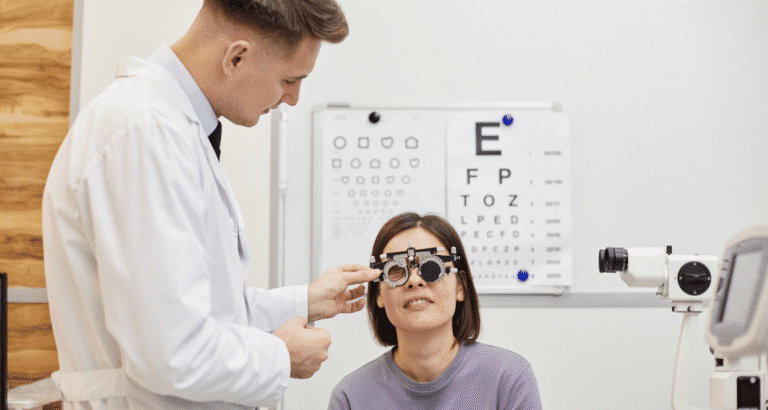
No blog post can replace a proper eye exam and fitting. Your eye doctor looks at your prescription, your eye health, your lifestyle, and your habits before making a recommendation.
As Healthline notes in their vision correction guide, the right type of contact lens depends on multiple personal factors including your degree of vision correction, any eye conditions you have, and how you plan to wear the lenses day to day.
Getting a proper contact lens exam ensures your lenses fit correctly and suit your eye health. A lens that feels fine in the office can cause problems at home if the fit or material is wrong for your eyes.
Frequently Asked Questions
Is it better to get daily or monthly contacts?
It depends on your lifestyle. Daily contacts are more convenient and hygienic. Monthly contacts are more affordable over time. Neither is universally better. Your eye doctor can help you decide based on your eyes and habits.
Can I nap with daily contacts?
No. You should remove your contacts before sleeping, even for a short nap. Sleeping in lenses reduces oxygen to your cornea and raises your risk of infection and irritation.
Why are daily contacts only good for a day?
Daily lenses are made with thinner, softer material designed for one use. After a day of wear, proteins and deposits from your eye build up on the lens. Wearing them again increases your risk of infection and discomfort.
Can I switch from monthly to daily contacts?
Yes, with your eye doctor’s approval. The process of putting them in and taking them out is the same. Your doctor will check that your prescription is available in a daily format and confirm the fit is right for your eyes.
What are the downsides of daily contacts?
The main downsides are cost and waste. They cost more over time and create more plastic packaging waste than monthly lenses. They are also thinner and can tear more easily if not handled carefully.
Why do eye doctors push daily contacts?
Because they are the safest and most hygienic option for most patients. There is no cleaning routine to skip, no buildup to worry about, and a lower risk of infection. For busy or allergy-prone patients especially, the benefits are hard to argue with.
Can I swim with daily contacts?
No. You should never swim in contact lenses, daily or monthly. Water including pools, lakes, and the ocean can contain bacteria and microorganisms that stick to lenses and cause serious eye infections. Remove your contacts before swimming.
Ready to Find the Right Contact Lenses?
The best way to choose between daily and monthly contacts is to sit down with an eye doctor who knows your eyes. At Barnes Talero EyeCare, we take the time to review your vision, lifestyle, and eye health before recommending any lens type.
Call us at (615) 485-6251 or book your appointment online. Clear, comfortable vision starts with the right lens and the right fit.