If glaucoma runs in your family, you are right to pay attention. Glaucoma is one of the leading causes of blindness worldwide. It often causes no pain and no obvious symptoms until real damage has already been done. Understanding your genetic risk is one of the most important things you can do for your long-term vision.
What Is Glaucoma?
Glaucoma is a group of eye conditions that damage the optic nerve. The optic nerve carries visual information from your eye to your brain. When it gets damaged, vision is lost permanently.
In most cases, the damage comes from pressure building up inside the eye. This pressure is called intraocular pressure (IOP). When fluid inside the eye does not drain properly, pressure rises. Over time, that pressure injures the optic nerve.
There are several types of glaucoma. Primary open-angle glaucoma is the most common. It builds slowly and silently. Angle-closure glaucoma is less common but more urgent. It causes a sudden spike in eye pressure and needs immediate care. Normal-tension glaucoma damages the optic nerve even when eye pressure is normal. Congenital glaucoma is present at birth and is caused by abnormal eye development.
Is Glaucoma Genetic?
Yes, glaucoma has a strong genetic component. Researchers have identified several genes that raise the risk of developing it. These include MYOC, OPTN, CYP1B1, and TBK1.
The MYOC gene is linked to juvenile open-angle glaucoma and some adult cases. Mutations in this gene affect the drainage system of the eye, causing pressure to rise. CYP1B1 mutations are the most common cause of congenital glaucoma. OPTN and TBK1 are linked to normal-tension glaucoma, where optic nerve damage occurs even without high pressure.
Early-onset forms of glaucoma, which affect children and young adults, tend to follow a clear pattern of inheritance from parent to child. Adult-onset glaucoma is more complex. Multiple genes and environmental factors work together to raise risk over time.
Having one of these gene mutations does not mean you will definitely develop glaucoma. But it does mean your risk is higher than average.
How Family History Affects Your Risk
Having a close family member with glaucoma raises your personal risk significantly. Research suggests that people with a parent or sibling diagnosed with glaucoma are up to nine times more likely to develop it themselves.
Primary open-angle glaucoma has the strongest hereditary link. If glaucoma runs in your family, you should talk to your eye doctor about it right away. Early screening gives you the best chance of catching it before damage occurs.
Family history is just one part of the picture. Other factors also raise risk:
Age: Most cases of open-angle glaucoma appear after age 40. Risk goes up sharply after 60.
Ethnicity: People of African descent are at much higher risk of open-angle glaucoma. People of Asian descent have a higher risk of angle-closure glaucoma.
Diabetes and high blood pressure: Both conditions are linked to higher glaucoma risk.
Severe nearsightedness: This raises the risk of open-angle glaucoma.
Thin corneas: A thinner cornea is associated with higher risk of optic nerve damage.
Previous eye injury: Trauma to the eye can raise pressure and lead to glaucoma over time.
Long-term steroid use: Corticosteroid medications can raise eye pressure in some people.
Symptoms of Glaucoma
Glaucoma is often called “the silent thief of sight.” That name fits. Most people with early glaucoma feel nothing at all. There is no pain. There is no obvious vision change at first.
Side vision is usually affected first. You may not notice because the brain fills in visual gaps automatically. By the time central vision is affected, the disease is already advanced.
Some symptoms to watch for include:
- Gradual loss of side vision
- Blurred vision
- Tunnel vision in later stages
- Eye pain or pressure (more common with angle-closure type)
- Seeing halos around lights
- Headaches paired with eye discomfort
- Sudden vision loss (angle-closure emergency)
If you notice sudden eye pain, nausea, and a rapid drop in vision, go to an emergency room right away. That pattern can signal angle-closure glaucoma, which requires immediate treatment.
Screening and Diagnosis
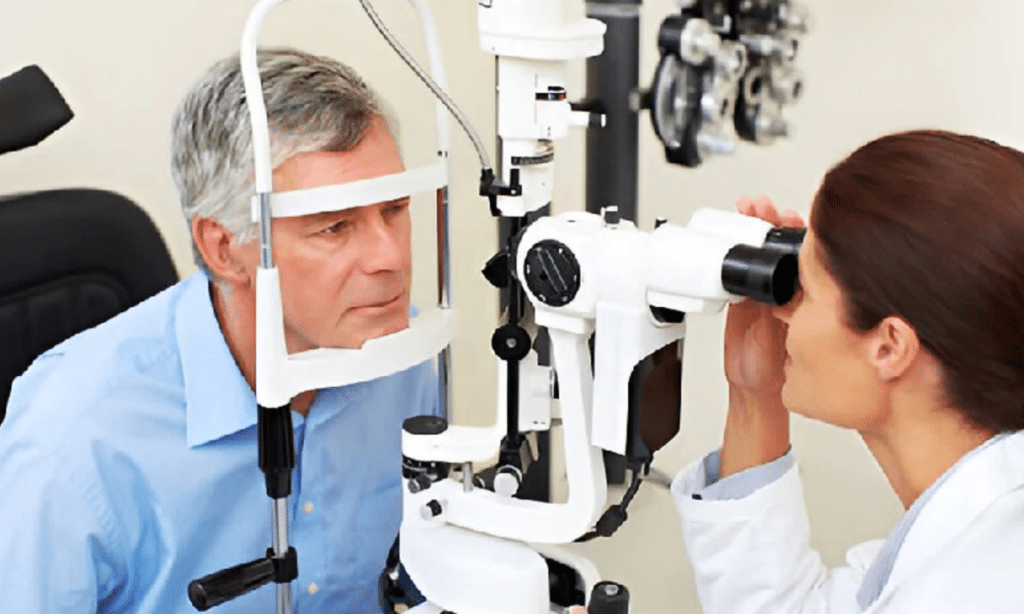
Because glaucoma causes no early symptoms, regular eye exams are essential. Your eye doctor can detect pressure changes and optic nerve damage long before you notice anything wrong.
A comprehensive eye exam for glaucoma typically includes:
Tonometry: Measures pressure inside the eye.
Optic nerve exam: Your doctor checks for signs of damage using a dilated exam or imaging.
Visual field test: Measures your side vision and detects early blind spots.
Pachymetry: Measures corneal thickness, which affects how pressure readings are interpreted.
Optical coherence tomography (OCT): Takes detailed images of the optic nerve layers.
How often you should be screened depends on your personal risk. General guidelines suggest:
Adults with no family history and no risk factors should have a full dilated eye exam every two to four years before age 40, and every one to two years after 40.
Adults with a family history of glaucoma should be screened every one to two years starting in their 30s or earlier.
Anyone with new or changing symptoms should be seen right away.
Treatment Options for Glaucoma
Glaucoma cannot be cured, but it can be controlled. Treatment focuses on lowering eye pressure to slow or stop optic nerve damage. The right plan depends on the type and stage of glaucoma you have.
Eye drops: Most people start with prescription eye drops. These lower pressure either by reducing fluid production or improving drainage. Drops must be used consistently every day.
Laser therapy: Laser treatment can improve drainage in the eye. It is often used when drops are not enough or as a first-line option for some patients. Learn more about glaucoma testing and treatment options available.
Surgery: When drops and laser therapy are not controlling pressure well, surgery may be needed. Options include trabeculectomy, tube shunts, and minimally invasive glaucoma surgeries (MIGS). These procedures create new pathways for fluid to drain out of the eye.
Ongoing monitoring is always part of glaucoma care. Even when treatment is working, regular check-ups are necessary to make sure pressure stays under control.
Can Glaucoma Be Reversed?
No. The optic nerve damage caused by glaucoma is permanent. Vision that is lost cannot be brought back. This is why catching glaucoma early matters so much.
With early diagnosis and consistent treatment, most people can keep the vision they have. The goal is not to reverse damage but to prevent more from happening.
How to Reduce Your Glaucoma Risk
You cannot change your genes or your age. But you can take steps that may help protect your vision.
Get regular eye exams. This is the single most important step for anyone with a family history of glaucoma.
Control blood pressure and blood sugar. Both diabetes and high blood pressure raise glaucoma risk. Managing these conditions supports your overall eye health.
Avoid smoking. Smoking affects circulation and can reduce blood flow to the optic nerve.
Wear protective eyewear during sports and physical work. Eye injuries can lead to secondary glaucoma years later.
Ask your doctor about your medications. Long-term use of steroids can raise eye pressure. If you use them regularly, your eye doctor should monitor your pressure.
Eat well and stay active. A healthy diet rich in leafy greens and regular moderate exercise support healthy eye pressure over time.
When to Get Tested
You should schedule a glaucoma screening if:
- A parent, sibling, or child has been diagnosed with glaucoma
- You are over 40 with any additional risk factors
- You have diabetes or high blood pressure
- You are severely nearsighted
- You have not had a full eye exam in the past two years
For trusted and up-to-date information on glaucoma and genetics, the Glaucoma Research Foundation is a reliable resource.
If you are ready to check your risk, schedule a glaucoma screening with your eye doctor today. Catching it early is the best way to protect your sight for years to come.