At Barnes Talero Eyecare, many families ask: Is vision therapy worth the money? The short answer: Yes, when it’s the right therapy, for the right condition, with the right provider.
Costs can feel high up front. But for the right case, the benefits may last a lifetime. This guide will help you decide if vision therapy is a smart investment for you or your child.
What Is Vision Therapy and What Does It Treat?
Vision therapy is a kind of in‑office and at-home program that works like physical therapy but for the eyes and brain. It’s more than just glasses or contacts.
It’s used to treat issues such as:
- Convergence Insufficiency (difficulty the eyes have in working together at near)
- Amblyopia (lazy eye)
- Strabismus (eye‑turns)
- Traumatic brain injury or concussion related vision issues
- Eye‑tracking, focusing, or depth‑perception challenges
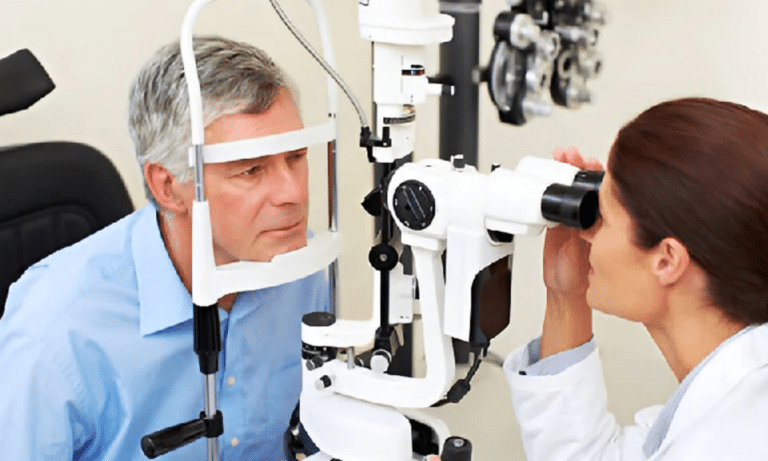
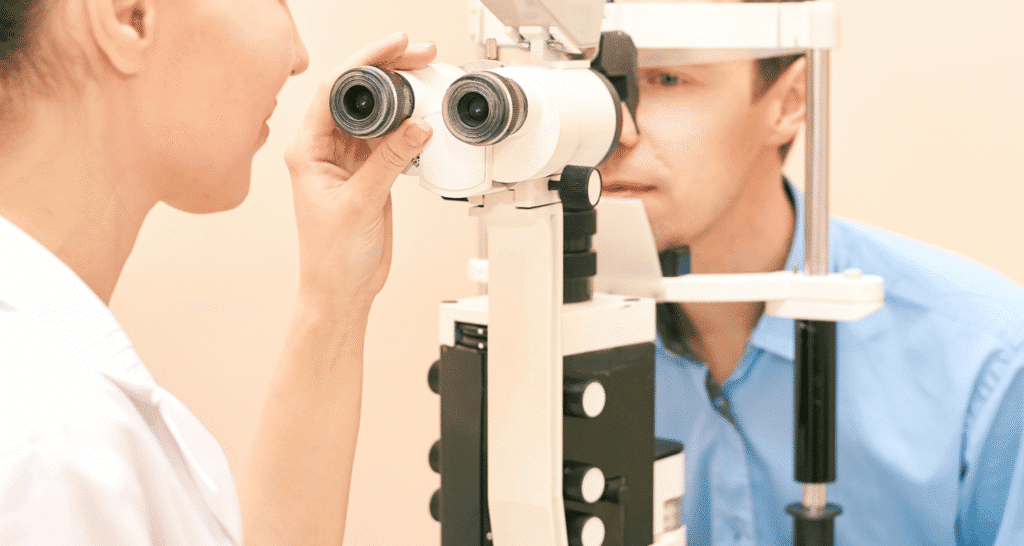
Here’s how it works: after a full binocular vision exam, a custom plan of treatments is created. You may do weekly in‑office sessions plus home practice.
Tools may include special lenses, prisms, computer‑based activities, and eye‑movement exercises. At Barnes Talero Eyecare, we bring our 40+ years in binocular vision care to each plan.
How Much Does Vision Therapy Cost?
Cost is one of the most common questions we hear. The final amount depends on the condition being treated, the number of sessions needed, the age of the patient, and how well at home activities are followed.
At Barnes Talero Eyecare, we believe in clear and open communication about costs. During your first visit we explain the plan and what it includes. We also offer flexible payment options and accept FSA or HSA accounts if available.
While vision therapy can feel like a big step many families find that the long term benefits make it a smart investment in health and comfort.

Is Vision Therapy Covered by Insurance?
Insurance is another key question. The reality:
- Many insurance plans (vision or medical) do not fully cover vision therapy. Some may cover part of the exam or diagnostic testing, but not the full therapy program.
- For example, in Canada, many public or private plans consider vision therapy “unproven” for broad use and don’t cover the cost.
- At Barnes Talero Eyecare, we can help you with billing codes and pre‑authorisations. We can help you check if your plan covers any portion.
- If your plan does not cover it, we’ll discuss cost‑effective options, payment plans, and what the expected benefits are.
Bottom line: don’t assume full coverage. Ask up front whether your plan will pay and what your out‑of‑pocket cost will be.
Does Vision Therapy Really Work?
Effectiveness depends on condition, diagnosis, commitment, and age. Here’s what evidence shows:
- There is solid evidence for specific conditions such as convergence insufficiency and accommodative dysfunction.
- For conditions such as learning disabilities, dyslexia, or general vision discomfort, evidence is weaker or not present.
- For adults: many patients report meaningful gains in eye‑tracking, double vision, or visual comfort, especially after concussion or brain injury. But results are more mixed than for kids with classic binocular issues.
- Important: therapy requires consistent attendance, home practice, and a clear diagnosis of a vision skill issue, not just a refractive error.
- At Barnes Talero Eyecare, we evaluate thoroughly and help you understand whether your case matches one where vision therapy has strong support.
So yes, on the right case, it works. But beware the idea that it “always works for everything.” Some programs promise more than they can deliver.
Why Is There Skepticism?
It’s natural to ask: If it works, why do some experts raise doubts?
- Some medical/ophthalmology bodies say there is insufficient evidence for broad use of vision therapy in many conditions (e.g., learning disorders, mild TBI) and caution patients about broad claims.
- Research quality varies. Some programs use standardised data; others rely more on anecdotal results.
- The cost and number of sessions can be high, and if therapy is done for a condition that has weak support, the return may be low.
- Some treatments marketed as “vision therapy” are actually general eye‑exercise programs without strong data behind them.
- At Barnes Talero Eyecare, we address these concerns head‑on: we only offer therapy when we believe there is a strong indication and you’ll see clear metrics for progress.
Real‑World Experience: Is Vision Therapy A Hoax?
Let’s look at how this works in practice:
- Imagine a child who has slow reading, loses place often, and has vision fatigue. After a binocular vision exam at Barnes Talero, we find tracking and teaming issues. We design a 12‑week vision therapy plan, weekly in‑office plus home work. Six months later, reading speed is up, fatigue down, confidence improved.
- For an adult who had a concussion, struggles with double vision and motion sensitivity. We run a vision‑therapy plan, use prisms and eye‑movement drills. Over months, the double vision decreases, the adult returns to computer work and normal social activity.
- Many families say: “Yes, it felt like a big cost, but seeing my child improve so much made it worth every dollar.”
But we always caution: results vary. The “worth” factor depends on your baseline, how involved you are, and how well your program is matched to your need.
Who Should Consider Vision Therapy?
You (or your child) should consider vision therapy if:
- A child has reading struggles, loses place, avoids near work, or has eye‑turn/lazy eye problems
- An adult has double vision, eye strain, headaches when reading, trouble tracking, or had a concussion/brain injury
- You were told your vision is “fine” (20/20) yet still struggle with near work, depth perception, or visual effort
- A standard eye exam with glasses/contacts hasn’t fixed your problem, because this is about visual skills, not just clarity
Conclusion & Call to Action
In short, Vision therapy can be a smart investment, if the condition is right, the therapy is well‑designed, and you’re committed. At Barnes Talero Eyecare, we bring decades of experience, a bilingual team, and a local, patient‑first practice to help you decide.
If you’re wondering whether vision therapy is worth the money for you or your child, let’s talk. We’ll meet you at our clinic, explain everything, estimate cost, and map out a plan.
📍 390 Harding Place, Suite 104, Nashville, TN 37211
📞 (615) 485‑6251