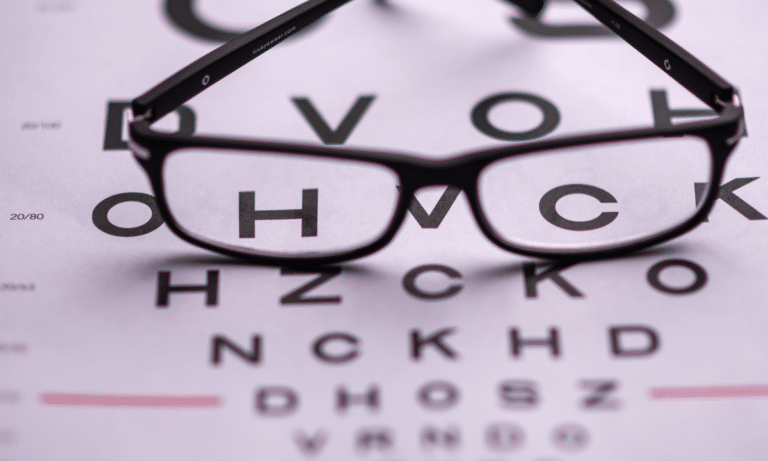
Blurry vision is frustrating. But blurry near vision and blurry distance vision are two very different problems. Understanding which one you have is the first step to fixing it.
What Is Myopia (Nearsightedness)?
Myopia means distant objects look blurry, but close things are clear. It happens because the eyeball grows too long. Light enters the eye and focuses in front of the retina instead of on it.
It usually starts in childhood and stabilizes in the mid-20s. Genetics, too much screen time, and limited outdoor activity all play a role.
Common symptoms:
- Blurry vision at a distance
- Squinting to see clearly
- Eye strain and headaches
- Sitting too close to screens
What Is Presbyopia?
Presbyopia is an age-related condition that makes near vision blurry. Most people notice it in their early 40s.
The cause is simple. The lens inside your eye is flexible when you are young. As you age, it stiffens and loses the ability to focus on close objects. Reading, using your phone, and other close tasks become harder.
Common symptoms:
- Holding books or phones farther away to read
- Blurry vision for small text
- Headaches after reading
- Eye fatigue during close-up work
Learn more about presbyopia diagnosis and treatment at our eye care services page.
Key Differences Between Presbyopia and Myopia
| Feature | Myopia | Presbyopia |
| Cause | Elongated eyeball | Stiffening of the eye’s lens |
| Age of onset | Childhood | Age 40 and older |
| Vision problem | Blurry distance vision | Blurry near vision |
| Structure affected | Cornea and eye length | Eye’s internal lens |
| Treatment | Glasses, contacts, laser surgery | Reading glasses, multifocal lenses, lens surgery |
The simple way to remember it: myopia makes far things blurry. Presbyopia makes near things blurry.
Can You Have Both at the Same Time?
Yes. This is very common after age 40.
A person may have worn glasses for myopia since childhood. Then in their 40s, they start struggling to read even with their glasses on. That is presbyopia starting.
This is why many adults end up needing progressive lenses. The top of the lens corrects distance vision. The bottom corrects near vision. Both problems are handled in one pair of glasses.
Treatment Options
Glasses
Single vision lenses correct one distance only. Progressive lenses handle both near and distance without a visible line. They are the most popular choice for people with both conditions. Check out our guide on standard vs premium progressive lenses to understand your options.
Contact Lenses
Soft lenses work well for myopia. Multifocal contact lenses correct both near and distance vision in the same lens. If you prefer daily wear, read more about daily contact lenses and whether they suit your lifestyle.
Laser Surgery
LASIK, PRK, and SMILE all reshape the cornea to correct myopia. For presbyopia, monovision LASIK corrects one eye for distance and one for near. Results are very good for the right candidates.
Lens Surgery
Refractive Lens Exchange replaces the stiff natural lens with an artificial one. It is the best surgical option for older patients with presbyopia. It also prevents cataracts from forming later.
When to See an Eye Doctor
Book an eye exam if you notice:
- Blurry vision at any distance
- Headaches when reading or using screens
- Difficulty driving at night
- Holding your phone farther away to read it
- A child squinting or struggling at school
According to the American Academy of Ophthalmology, presbyopia affects nearly everyone and is one of the most common reasons adults over 40 visit an eye doctor.
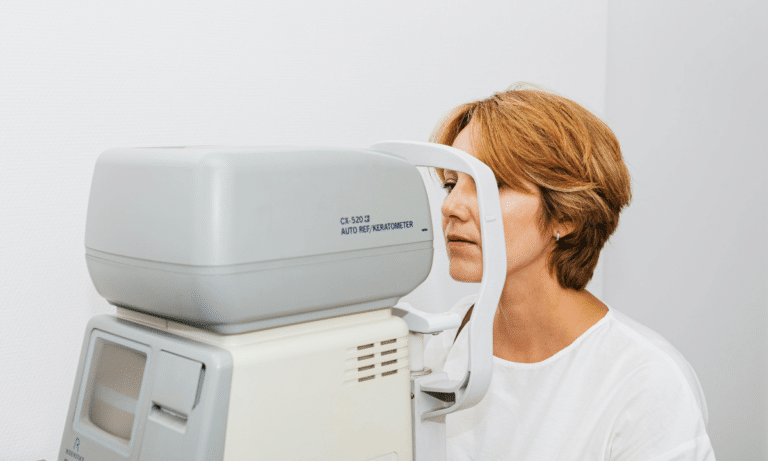
Adults over 40 should be seen every one to two years. Regular exams catch changes early and keep your prescription accurate. You can schedule a comprehensive eye exam with our team in Nashville.
Frequently Asked Questions
What is the difference between presbyopia and myopia?
Myopia causes blurry distance vision. Presbyopia causes blurry near vision. They affect different parts of the eye.
Can you have both conditions at the same time?
Yes. Many adults over 40 have both. Progressive lenses or multifocal contacts can correct both at once.
Is presbyopia permanent?
It cannot be reversed, but it can be corrected with glasses, contacts, or surgery.
Can laser surgery fix both conditions?
Laser surgery works well for myopia. Monovision LASIK can help with presbyopia. Lens replacement surgery is often the better option for older patients.
At what age does presbyopia start?
Most people notice it in their early 40s. It gradually worsens through the 50s and 60s.
Get Clear Vision at Every Distance
Both myopia and presbyopia are easy to manage with the right correction. You do not have to put up with blurry vision at any age.
At Barnes Talero EyeCare, our Nashville team provides full eye exams and personalized treatment for both conditions. Call us at (615) 485-6251 or book your appointment online today.