Your retina is a thin layer of tissue at the back of your eye. It picks up light and turns it into signals. Those signals travel through the optic nerve to your brain. Your brain then creates the images you see.
The center of the retina is called the macula. It handles sharp, detailed vision. You need it to read, drive, and see faces clearly. When something goes wrong with the retina, your vision suffers. In serious cases, vision loss can be permanent.
Knowing the warning signs of retinal problems in adults can protect your sight.
What Are Common Retinal Problems in Adults?
Age-Related Macular Degeneration (AMD)
AMD is one of the top causes of vision loss in adults over 60. It breaks down the macula slowly over time. The first sign is often blurred or missing central vision.
There are two types. Dry AMD builds slowly. Small yellowish deposits called drusen form under the retina. As they grow, they damage light-sensitive cells in the macula.
Wet AMD is more serious. Abnormal blood vessels grow under the retina and leak fluid. This causes faster and more severe vision loss. Wet AMD is often treated with eye injections that stop abnormal vessel growth. Dry AMD may be managed with vitamins and regular monitoring.
Diabetic Retinopathy
This is one of the most common retinal diseases in the United States. It affects people with diabetes. High blood sugar damages small blood vessels in the retina. Those vessels swell, leak, or grow in the wrong places.
In early stages, there are often no symptoms. As it gets worse, vision becomes blurry. Dark spots may appear. In advanced cases, new blood vessels bleed into the eye.
Managing blood sugar is the most important step. Early detection can prevent serious vision loss. Learn more about how we treat diabetic retinopathy.
Retinal Detachment
This is a medical emergency. The retina separates from the tissue behind it. When that happens, it stops getting the oxygen and nutrients it needs.
A retinal tear often comes first. The gel inside the eye, called vitreous, shrinks with age. It can pull on the retina and create a tear. Fluid then passes through the tear and lifts the retina away.
Warning signs include a sudden flood of floaters, flashes of light, or a dark curtain moving across your vision. These symptoms need same-day care. Without treatment, retinal detachment causes permanent blindness. Surgery is the only fix, and the sooner it happens, the better.
Retinal Vein Occlusion
This happens when a blood vessel in the retina gets blocked. Blood and fluid back up and cause swelling in the retina. The result is blurred or lost vision, often in one area of the eye.
High blood pressure and diabetes raise the risk of retinal vein occlusion. Treatment usually includes eye injections to reduce swelling and protect remaining vision.
Macular Pucker
Scar tissue forms on top of the macula. It pulls on the retinal surface and distorts vision. Straight lines may look wavy. Central vision becomes blurry.
Mild cases may not need treatment. When vision is seriously affected, surgery can remove the scar tissue.
Symptoms of Retinal Problems to Watch For
Most retinal diseases share similar warning signs. Pay attention if you notice:
- Sudden increase in eye floaters
- Flashes of light in your vision
- Blurred or distorted vision
- A dark spot in the center of your sight
- Loss of side vision
- Straight lines that look bent or curved
- Trouble seeing at night
These symptoms do not always mean something serious. But they should never be ignored. Any sudden change in vision is a reason to call your eye doctor right away.
Emergency Symptoms That Need Immediate Care
Some symptoms are urgent. Go to an eye doctor or emergency room right away if you notice:
- A shadow or curtain moving across your vision
- Sudden total or partial vision loss
- A sudden large increase in floaters
- Constant flashes of light
- Severe eye pain after an injury
Retinal detachment is a true eye emergency. Every hour matters. Do not wait to see if things get better on their own
Risk Factors for Retinal Disease
Some people are at higher risk. Major risk factors include:
- Age, especially over 50
- Diabetes
- High blood pressure
- Smoking
- Family history of eye disease
- Previous eye injury or surgery
- Obesity
- High cholesterol
- Severe nearsightedness
If several of these apply to you, ask your eye doctor how often you should be checked.
How Doctors Diagnose Retinal Problems
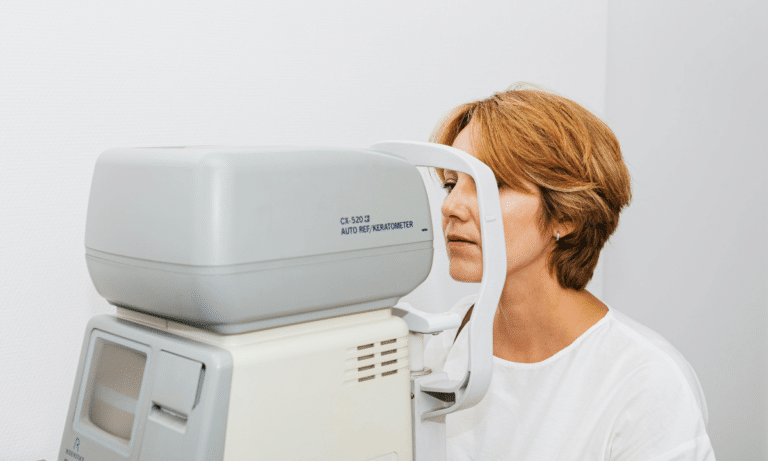
Your eye doctor will use drops to widen your pupils during a dilated eye exam. This allows a clear look at the retina.
Other tests may include optical coherence tomography (OCT), which takes detailed images of retinal layers. Fluorescein angiography checks blood flow using a special dye. Visual field tests check your side vision.
Catching retinal problems early gives you the best chance of keeping your vision.
Treatment Options for Retinal Diseases
Eye Injections
Medicine is injected directly into the eye. This is used for wet AMD, diabetic retinopathy, and macular swelling. The medicine reduces swelling and stops abnormal blood vessel growth. Most patients handle this well with little recovery time needed.
Laser Therapy
Laser treatment seals leaking blood vessels and closes small retinal tears. It is used for diabetic retinopathy and other conditions. It does not bring back lost vision but helps stop things from getting worse.
Vitrectomy Surgery
A surgeon removes the gel inside the eye and repairs the damaged retina. This is used for retinal detachment, macular holes, and serious eye injuries. Recovery may take two to four weeks depending on the repair needed.
Retinal Repair Surgery
For retinal detachment, surgeons have several choices. These include a scleral buckle, a gas bubble injection, or cryotherapy. The method depends on the type and location of the detachment.
Can Retinal Damage Be Reversed?
Some retinal damage can be repaired when caught early. Other damage is lasting. The goal of most retinal treatment is to stop things from getting worse and protect the vision you still have.
That is why early action matters so much. Treatment works best before serious vision loss occurs.
How to Protect Your Retina
You can lower your risk with a few simple habits:
- Get regular eye exams, especially after age 50
- Control blood sugar and blood pressure
- Stop smoking
- Wear UV-protective sunglasses outdoors
- Eat leafy greens and foods with omega-3 fatty acids
- Stay active and keep a healthy weight
How Often Should Adults Get a Retinal Eye Exam?
General guidelines from eye care providers suggest:
- Every 1 to 2 years for healthy adults
- Every year for adults over 50
- Every year for people with diabetes
- Right away if you notice any new symptoms
If you have diabetes, high blood pressure, or a family history of eye disease, do not skip your annual exam. Early detection is the most powerful tool you have.
When to See an Eye Doctor
Do not wait for vision loss to get checked. Call your eye doctor if you notice floaters, flashes, blurred vision, or any sudden change in how you see.
For trusted health information on retinal conditions, the National Eye Institute provides reliable, up-to-date resources.
If you are ready to protect your vision, schedule a comprehensive eye exam today. Retinal problems caught early are far easier to treat.