Glaucoma is one of the leading causes of permanent blindness. More than 80 million people worldwide live with this condition. The scary part? Many don’t notice symptoms until serious vision loss has already occurred.
Early detection can save your sight. At Barnes Talero Eye Care, we’ve helped Nashville families protect their vision for over 16 years. Our bilingual team uses advanced diagnostic tools to catch glaucoma before it steals your sight.
What Is Glaucoma and Why Early Detection Matters
Glaucoma is a group of eye diseases that damage your optic nerve. This nerve sends visual information from your eye to your brain. When fluid builds up in the front part of your eye, it creates pressure. Over time, this pressure damages the optic nerve.
The dangerous truth about glaucoma is that it progresses slowly. You might not notice anything wrong until significant damage has occurred. That’s why it’s called the “silent thief of sight.”
Here’s the good news: Early detection gives you the best chance to protect your vision. Regular eye exams can spot warning signs before you experience vision loss. Once detected, treatment can slow or stop the disease from getting worse.
Without treatment, glaucoma leads to permanent blindness. But with proper care, you can maintain your sight for years to come.
The 9 Early Signs to Watch For
1. Gradual Loss of Peripheral Vision (Tunnel Vision)
Your side vision starts to fade so slowly that you might not notice it at first. You may bump into objects on your sides or miss things in your peripheral field. This happens because glaucoma typically damages your outer vision before affecting your central sight.
Some people describe it as looking through a tunnel. You can see straight ahead clearly, but everything to the sides becomes harder to notice.
2. Blurry or Hazy Vision
When pressure builds inside your eye, it can make your vision appear cloudy or unclear. This blurriness doesn’t go away with rest or rubbing your eyes. You might find yourself squinting more or having trouble reading signs from a distance.
This symptom occurs because the optic nerve damage affects how clearly visual signals reach your brain.
3. Halos Around Lights at Night
Do you see rainbow-colored rings around street lights when driving at night? This is a common sign of glaucoma. The increased pressure in your eye causes light to scatter differently, creating these halos or glare effects.
Many patients first notice this symptom while driving after dark. The halos can make night driving uncomfortable or even dangerous.
4. Frequent Changes in Glasses Prescription
Your vision shouldn’t change dramatically from one year to the next. If you find yourself needing new glasses more often than usual, this could signal a problem.
Glaucoma can cause rapid changes in your vision. These changes happen because the disease affects how your eye processes light and focuses images.
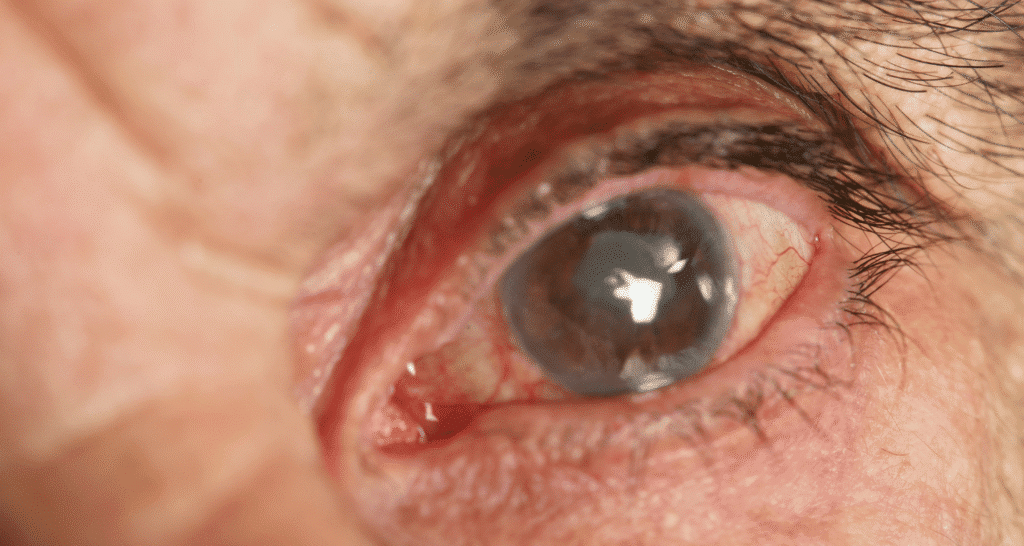
5. Red or Bloodshot Eyes
While red eyes can have many causes, persistent redness might indicate increased eye pressure. When fluid builds up, it can cause visible blood vessels on the white part of your eye.
This symptom is especially concerning if it happens along with pain or vision changes.
6. Eye Pain or Pressure
Some types of glaucoma cause noticeable discomfort. You might feel pressure behind your eyes or sharp pain in or around your eyeball. The pain can extend to your forehead and temples.
Angle-closure glaucoma, a serious form of the disease, often causes sudden, severe eye pain. This is a medical emergency that requires immediate attention.
7. Headaches Associated with Vision Changes
Headaches from glaucoma typically occur around your eyes and forehead. These aren’t your typical stress headaches. They often come with other symptoms like blurred vision or eye discomfort.
The headaches may get worse over time as pressure continues to build inside your eye.
8. Nausea and Vomiting
When eye pressure rises rapidly, it can trigger nausea and vomiting. This severe symptom usually happens with acute angle-closure glaucoma. If you experience nausea along with eye pain and vision problems, seek emergency care immediately.
This combination of symptoms means the pressure in your eye has reached dangerous levels.
9. Increased Sensitivity to Light
Does bright light bother your eyes more than it used to? Light sensitivity can be an early warning sign of glaucoma. You might find yourself squinting in sunlight or avoiding bright indoor lighting.
This happens because the damaged optic nerve has trouble processing intense light properly.
Who Is at Risk for Glaucoma?
Some people have a higher chance of developing glaucoma:
- Adults over 60: Risk increases significantly with age
- Family history: Having a parent or sibling with glaucoma raises your risk
- African American, Hispanic, or Asian descent: These groups face higher rates of glaucoma
- Diabetes and high blood pressure: These conditions increase your risk
- Previous eye injuries: Past trauma to the eye can lead to glaucoma later
- Long-term steroid use: Certain medications can increase eye pressure
- Severe nearsightedness or farsightedness: Extreme refractive errors raise risk
If you have diabetes, regular eye exams become even more important. Barnes Talero EyeCare offers specialized diabetic eye exams to catch problems early.
What to Expect During a Glaucoma Screening
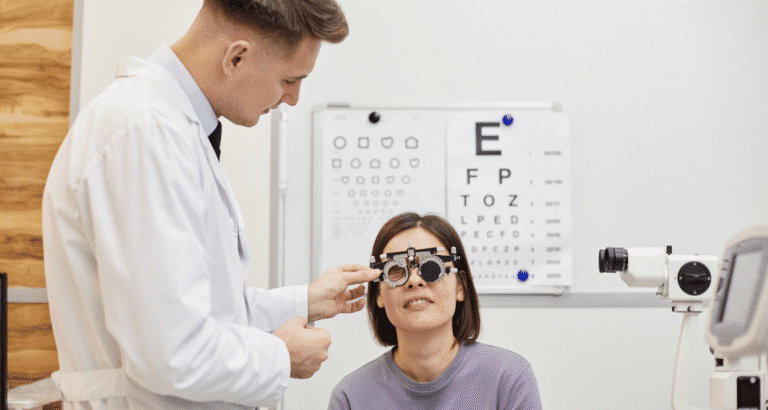
A glaucoma screening is quick, painless, and could save your sight. Here’s what happens during your exam:
Tonometry measures the pressure inside your eye using a gentle puff of air or a small probe. High pressure is a key risk factor for glaucoma.
Visual field testing checks your peripheral vision. You’ll look straight ahead and indicate when you see lights appear in your side vision.
Retinal imaging takes detailed pictures of your optic nerve. This allows your doctor to spot damage and track changes over time.
Gonioscopy examines the drainage angle in your eye. This test helps determine what type of glaucoma you might have.
Optical coherence tomography (OCT) creates a 3D map of your optic nerve and retina. This advanced imaging can detect the earliest signs of damage.
Most patients complete all these tests in about 30 minutes. There’s no pain involved, and you can return to your normal activities right after.
Why Choose Barnes Talero Eye Care for Glaucoma Detection
At Barnes Talero Eye Care, you get more than just an eye exam. You get personalized care from a team that truly understands eye health.
Dr. Maria Barnes brings over 40 years of clinical experience. She earned her optometry degree in Colombia and trained at the University of Geneva School of Medicine in Switzerland. Her extensive background in treating complex eye conditions means you’re in expert hands.
We offer full bilingual care in English and Spanish. Our team ensures you understand your diagnosis and treatment options in the language you’re most comfortable with.
Our practice uses state-of-the-art diagnostic equipment. We can detect glaucoma years before you notice any symptoms. Early detection means better outcomes and more treatment options.
As an independent, locally owned practice, we make decisions based on what’s best for you, not what a corporate office requires. We take time with each patient and never rush through appointments.
We’ve served South Nashville since 2008. Our patients become part of our family. We’re here for you through every stage of your eye health needs.
Protect Your Vision Today
Glaucoma doesn’t have to steal your sight. Regular eye exams catch this disease before it causes permanent damage. If you’re over 40, have a family history of glaucoma, or notice any of the warning signs we’ve discussed, schedule an exam today.
Barnes Talero EyeCare proudly serves patients throughout Nashville, Brentwood, Antioch, and surrounding Tennessee communities. We accept most major vision and medical insurance plans.
Call (615) 485-6251 to schedule your comprehensive eye exam. Our friendly staff will answer your questions and find an appointment time that works for your schedule.
FAQs
What are the very first signs of glaucoma?
Most people notice no symptoms at first. That’s why regular eye exams are so important. When symptoms do appear, they often include gradual peripheral vision loss, halos around lights, or mild eye pressure.
Can glaucoma be prevented?
You can’t prevent glaucoma entirely, but early detection and treatment can stop it from getting worse. Regular eye exams, managing conditions like diabetes and high blood pressure, and wearing eye protection during risky activities all help reduce your risk.
Is eye pain always a sign of glaucoma?
No. Many types of glaucoma cause no pain at all. However, acute angle-closure glaucoma does cause severe eye pain and requires emergency treatment.
How often should I get tested for glaucoma?
Adults over 40 should have comprehensive eye exams every one to two years. If you have risk factors, your doctor may recommend more frequent screenings.
Does glaucoma only affect older adults?
While glaucoma is most common in people over 60, it can occur at any age. Some babies are born with congenital glaucoma, and some adults develop it in their 30s or 40s.
Do you offer glaucoma exams in Spanish?
Yes! Barnes Talero Eye Care provides complete bilingual care. Our entire team speaks both English and Spanish fluently.
What happens if glaucoma is left untreated?
Untreated glaucoma leads to permanent vision loss and eventually total blindness in the affected eye. The damage cannot be reversed, which is why early treatment is critical.
Is vision lost from glaucoma reversible?
No. Once glaucoma damages your optic nerve, that vision loss is permanent. However, treatment can prevent further damage and preserve your remaining vision.