Struggling to read small print after 40? That’s presbyopia. It happens to everyone.
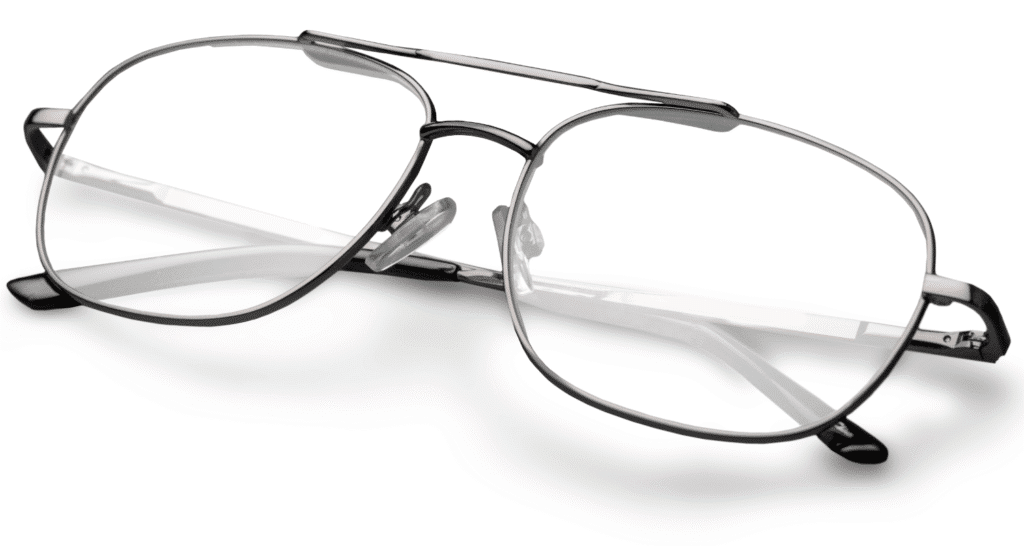
Progressive lenses fix this problem. They’re multifocal glasses that correct vision at all distances. No visible lines. Just smooth transitions from distance to reading as you look through different parts of the lens.
But you have two choices: standard or premium progressives. What’s the real difference? Is the premium worth the extra money?
At Barnes Talero Eye Care, we help patients answer these questions daily. This guide explains what separates these two options and helps you choose the right one for your needs and budget.
What Are Progressive Lenses?
Progressive lenses are multifocal lenses that correct vision at multiple distances. Unlike bifocals or trifocals with visible lines, progressives have a smooth transition from top to bottom. The top part helps you see far away, the middle section is for computer work and conversation, and the bottom area is for reading.
Think of it like this: as you move your eyes down the lens, the prescription gradually changes. This means you can wear one pair of glasses for driving, working on your computer, and reading a menu at dinner.
What Are Standard Progressive Lenses?
Standard progressive lenses are the basic version. They use traditional manufacturing methods that have been around for decades. These lenses work well for many people but have some limitations.
How They’re Made
Standard progressives follow a fixed design template. The manufacturer creates the same basic pattern for everyone, with only your prescription numbers customized. This approach keeps costs down but doesn’t account for your unique measurements or how you actually use your glasses.
Field of Vision
The viewing areas in standard progressives are narrower. You get a smaller sweet spot for reading and intermediate work. The sides of the lenses often have more blur and distortion, which can make peripheral vision less clear.
Adaptation Period
Getting used to standard progressives typically takes longer. Some people need two to three weeks to adjust. During this time, you might feel dizzy or notice the floor seems to move when you look down.
Pros of Standard Progressive Lenses
Affordable: Standard progressives cost much less than premium options. This makes them great for first time users who want to try progressives without a big investment.
Widely Available: Nearly every optical shop carries standard progressives. You won’t have trouble finding them or getting replacements.
Good for Part Time Use: If you only need glasses occasionally, standard lenses can do the job without overspending.
Cons of Standard Progressive Lenses
Narrower Viewing Areas: You have less room to see clearly, especially when reading or using a computer. You’ll need to move your head more to find the right spot.
More Peripheral Distortion: The edges of the lenses have more blur and waviness. This can be annoying when you look to the side.
Longer Adjustment Time: Your brain needs more time to learn how to use these lenses effectively.
What Are Premium Progressive Lenses?
Premium progressive lenses represent the latest technology in vision correction. They’re made using digital free form surfacing, which allows for much greater precision and customization.
Advanced Manufacturing
Premium lenses are crafted using computer controlled equipment that carves the prescription into the lens surface with extreme accuracy. This process, called free form or digital surfacing, creates a lens specifically designed for your eyes, your frame, and how you use your glasses.
Customized Design
Premium progressives take measurements like your pupil distance, how you tilt your head, your dominant eye, and even your frame size into account. The result is a lens that matches your actual visual needs instead of forcing you to adapt to a generic design.
Pros of Premium Progressive Lenses
Wider, Clearer Vision: Premium lenses give you much larger areas for clear vision at all distances. You can read more comfortably and see better when working on computers.
Less Distortion: The peripheral areas have minimal blur. When you look to the side, things stay clear and stable.
Faster Adaptation: Most people adjust to premium progressives in just a few days. Some don’t even notice an adjustment period.
Better for Screens: If you spend time on computers or phones, premium lenses reduce eye strain significantly. The intermediate zone is optimized for digital devices.
Improved Driving Experience: The wider distance zone makes driving safer and more comfortable, especially at night.
Cons of Premium Progressive Lenses
Higher Cost: Premium progressives cost more upfront. However, the improved comfort and vision quality often justify the extra expense for daily wearers.
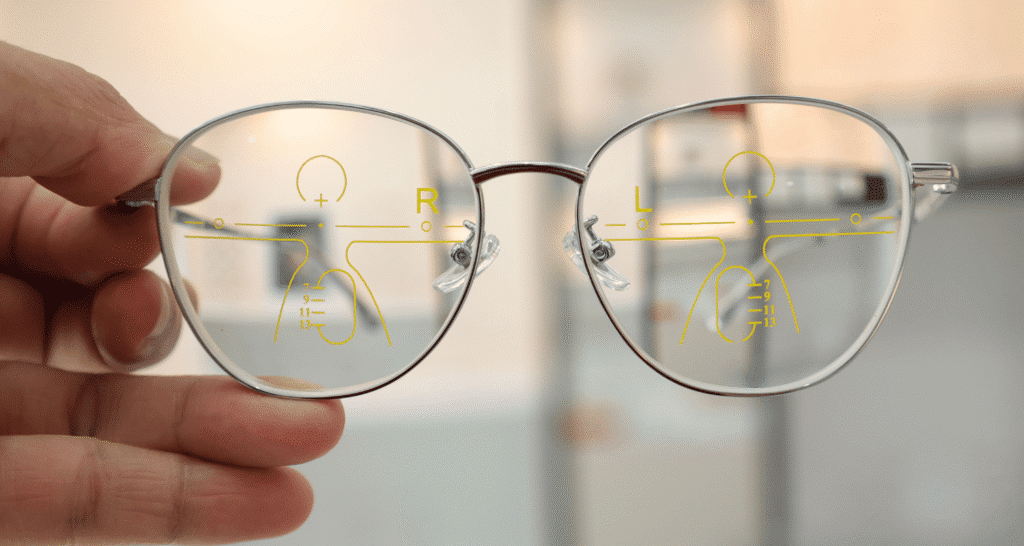
Standard vs Premium Progressive Lenses: Key Differences
Here’s a side by side comparison to help you see the differences at a glance:
| Feature | Standard Progressive | Premium Progressive |
| Lens Technology | Traditional molded design | Digital free form surfacing |
| Visual Clarity | Good in central areas | Excellent across entire lens |
| Peripheral Distortion | Moderate to high | Minimal |
| Customization | Limited (prescription only) | Extensive (measurements, frame, posture) |
| Reading Area | Narrower | Significantly wider |
| Intermediate Zone | Limited | Optimized for computers and phones |
| Adaptation Time | 2 to 3 weeks | Few days to 1 week |
| Comfort Level | Adequate | Superior |
Which Progressive Lenses Are Right for You?
Your lifestyle, visual needs, and budget all play a role in this decision. Let’s look at different scenarios to help you choose.
For Office and Computer Users
If you spend hours at a computer, premium progressives are worth considering. The wider intermediate zone reduces neck strain because you won’t constantly move your head to find the clear spot. Standard lenses can work but may cause more eye fatigue by the end of the day.
For Drivers
Driving requires excellent distance vision and the ability to quickly check your dashboard. Premium lenses offer a larger distance zone and less distortion when you glance to the side to check mirrors. Standard lenses work for occasional drivers but may feel restrictive for daily commuters.
For Outdoor Activities
Active people who hike, play sports, or spend time outdoors benefit from premium lenses. The reduced distortion means better depth perception and safer movement. Standard lenses can cause problems on uneven terrain due to peripheral blur.
For First Time Wearers
If you’ve never worn progressives before, you have two options. Standard lenses let you try progressives affordably to see if they work for you. However, premium lenses are actually easier to adapt to, which might make your first experience more positive.
For Budget Focused Buyers
Standard progressives are the clear choice if cost is your main concern. They provide functional vision correction at a lower price point. Just be prepared for a longer adjustment period and some visual compromises.
Final Verdict: Standard vs Premium Progressive Lenses
Both lens types have their place. Your decision should match your needs and circumstances.
Choose standard progressive lenses if you:
- Are on a tight budget
- Only need glasses occasionally
- Want to try progressives before investing more
- Have a simple prescription
Choose premium progressive lenses if you:
- Wear glasses all day
- Work on computers regularly
- Drive frequently
- Want the clearest, most comfortable vision
- Had trouble adjusting to standard progressives in the past
- Can afford the higher upfront cost
Remember, your eyes are worth the investment. Better vision improves your safety, productivity, and overall quality of life.
Frequently Asked Questions
Are premium progressive lenses better than standard ones?
Yes, premium lenses offer wider viewing areas, less distortion, and faster adaptation. However, standard lenses work fine for many people, especially those with simpler needs or tighter budgets.
How long does it take to adjust to progressive lenses?
Standard progressives typically require two to three weeks for full adaptation. Premium progressives often take just a few days to a week. The adjustment period varies by individual.
Can first time wearers use premium progressive lenses?
Absolutely. Premium lenses are often easier for first timers because they’re more intuitive to use. The wider viewing zones and reduced distortion make the learning curve gentler.
What is the difference between standard progressive and premium progressive lenses?
Premium lenses use digital surfacing for custom designs with wider clear zones. Standard lenses follow traditional templates with limited customization and more peripheral blur.
Are premium lenses worth it?
For daily wearers, yes. The improved comfort and vision quality make everyday tasks easier. If you only need glasses occasionally, standard lenses may be sufficient.
What are the three levels of progressive lenses?
The three main categories are basic progressives (most affordable), standard progressives (mid tier with some customization), and premium progressives (highest quality with full customization).
What does progressive standard mean?
Progressive standard refers to entry level progressive lenses. They offer basic multifocal vision correction at a lower price with limited customization compared to premium options.
If you’re ready to experience better vision, schedule an appointment at Barnes Talero Eye Care. Our team will help you find the perfect progressive lenses for your lifestyle and budget. Your clearer vision starts here.