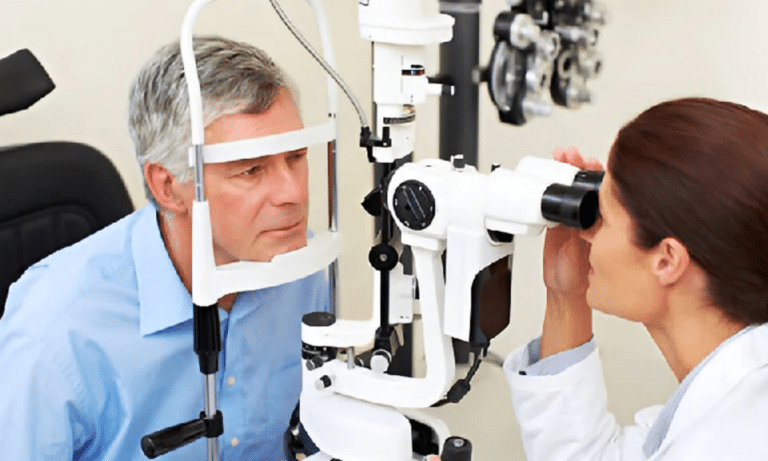

Finding the right eye care professional can feel confusing. You might wonder: Should I see an optometrist or an ophthalmologist? What does an optician do? Understanding these differences helps you get the care you need.
The three main types of eye care professionals are ophthalmologists, optometrists, and opticians. Ophthalmologists are medical doctors who perform surgery and treat all eye conditions. Optometrists are doctors of optometry who provide primary care, exams, and prescribe glasses, contacts, and medication, but not surgery. Opticians are technicians who fit and dispense glasses and contacts. They are not doctors.
Your needs determine who you should see. For routine checkups and vision problems, you can visit an optometrist or ophthalmologist. For complex issues or surgery, you need an ophthalmologist.
This guide explains each type of eye care professional and helps you choose the right one for your situation.
What Is an Eye Doctor?
An eye doctor is a trained professional who cares for your eyes and vision. They diagnose problems, prescribe treatments, and help you see clearly.
Not all eye care professionals are medical doctors. The term “eye doctor” can mean different things. Some are physicians who perform surgery. Others focus on exams and glasses. The level of training varies widely.
Only ophthalmologists are medical doctors (MD or DO). Optometrists earn a Doctor of Optometry degree (OD) but are not medical doctors. Opticians and other specialists are technicians with different types of training.
Knowing these differences helps you choose the right professional for your needs.
Main Types of Eye Care Professionals
Ophthalmologist
Ophthalmologists are medical doctors who specialize in eye care. They complete at least 12 years of education after high school. This includes four years of college, four years of medical school, and at least four years of residency training.
Ophthalmologists can do everything related to eye health. They diagnose diseases, prescribe medications, and perform surgery. Common procedures include LASIK, cataract removal, and glaucoma treatment.
Many ophthalmologists focus on specific areas. Retina specialists treat diseases affecting the back of the eye. Pediatric ophthalmologists care for children. Other subspecialties include glaucoma, cornea, and eye cancer treatment.
You’ll see an ophthalmologist for serious eye conditions or when surgery is needed. They handle complex medical problems that require advanced treatment.
Optometrist
Optometrists provide primary eye care. They complete four years of optometry school after college. This earns them a Doctor of Optometry (OD) degree.
Optometrists perform comprehensive eye exams and vision tests. They prescribe glasses and contact lenses. They can detect eye diseases and prescribe medications for many conditions. They cannot perform surgery.
Most people see an optometrist for routine care. They check your vision each year and screen for common problems. If you need surgery or specialized treatment, they’ll refer you to an ophthalmologist.
Dr. Maria Barnes at Barnes Talero Eyecare is a licensed optometrist with over 40 years of experience. She provides comprehensive exams, medical eye care, and vision therapy for patients of all ages. Her team offers bilingual care in English and Spanish.
Optician
Opticians are not doctors. They are trained technicians who fit and dispense eyeglasses and contact lenses. They typically complete one to two years of training.
Opticians use prescriptions written by optometrists or ophthalmologists. They help you choose frames that fit well and look good. They adjust your glasses for comfort and proper vision correction.
You’ll work with an optician after your eye exam. They make sure your new glasses or contacts work correctly. Many optician services are available at eye care practices alongside exams.
Ocularist
Ocularists specialize in prosthetic eyes. They create and fit artificial eyes for people who have lost an eye due to injury, disease, or birth conditions.
This is a highly specialized field. Ocularists work closely with ophthalmologists and other eye care providers. They help patients regain a natural appearance after eye loss.
Most people will never need an ocularist. But for those who do, these specialists provide life-changing care.
Other Eye Care Roles
Several other professionals support eye health:
Orthoptists work with patients who have eye movement problems. They often assist ophthalmologists in treating conditions like crossed eyes.
Ophthalmic technicians assist eye doctors during exams and procedures. They operate diagnostic equipment and help with patient care.
Ophthalmic nurses provide specialized nursing care for eye surgery patients and those with serious eye conditions.
These professionals work as part of a larger eye care team.
What Conditions Do Eye Doctors Treat?
Both optometrists and ophthalmologists diagnose and manage many eye conditions:
Refractive errors like myopia (nearsightedness), hyperopia (farsightedness), and astigmatism are the most common. These affect how clearly you see. Glasses, contacts, or surgery can correct them.
Presbyopia is age-related difficulty focusing on close objects. Most people over 40 experience this. Reading glasses or bifocal contact lenses help.
Dry eye causes discomfort and blurred vision. Treatment includes artificial tears, medications, or procedures.
Pink eye (conjunctivitis) is an infection or inflammation. It’s usually treatable with medication.
Cataracts cloud the lens of your eye. Surgery removes cataracts and restores clear vision.
Glaucoma damages the optic nerve, often due to high eye pressure. Early detection prevents vision loss.
Diabetic retinopathy affects people with diabetes. Regular diabetic eye exams catch problems early.
Macular degeneration is an age-related condition affecting central vision. Treatment can slow progression.
Optometrists handle most routine and common conditions. Ophthalmologists treat complex cases requiring surgery or advanced medical care.
How to Choose the Right Eye Doctor for Your Needs
When to See an Optometrist
Visit an optometrist for:
- Annual eye exams
- Vision testing and glasses prescriptions
- Contact lens fittings
- Treatment of common eye conditions
- Screening for eye diseases
- Medical eye care for conditions like dry eye or pink eye
Optometrists provide most of the eye care you’ll need throughout your life. They’re your first point of contact for vision problems.
Barnes Talero Eyecare offers complete optometry services. The practice handles routine exams, pediatric eye care, vision therapy, and medical eye conditions. The bilingual team serves Nashville families in English and Spanish.
When to See an Ophthalmologist
You’ll need an ophthalmologist for:
- Eye surgery (LASIK, cataracts, glaucoma)
- Complex eye diseases
- Serious injuries or emergencies
- Conditions requiring specialized treatment
- Follow-up after surgery
Your optometrist will refer you to an ophthalmologist when needed. Some people with chronic eye conditions see both regularly.
When to Visit an Optician
You’ll work with an optician to:
- Select eyeglass frames
- Fit and adjust your glasses
- Learn how to use contact lenses
- Replace broken or damaged eyewear
Opticians typically work in the same office as your optometrist. They’re part of the complete care process.
Role of Your Primary Care Doctor
Your primary care physician can help guide you. They may recommend an eye doctor based on your health needs. They can also refer you to specialists if you have conditions like diabetes that affect eye health.
Annual eye exams are important even if you don’t notice problems. Many eye diseases show no symptoms until damage occurs.
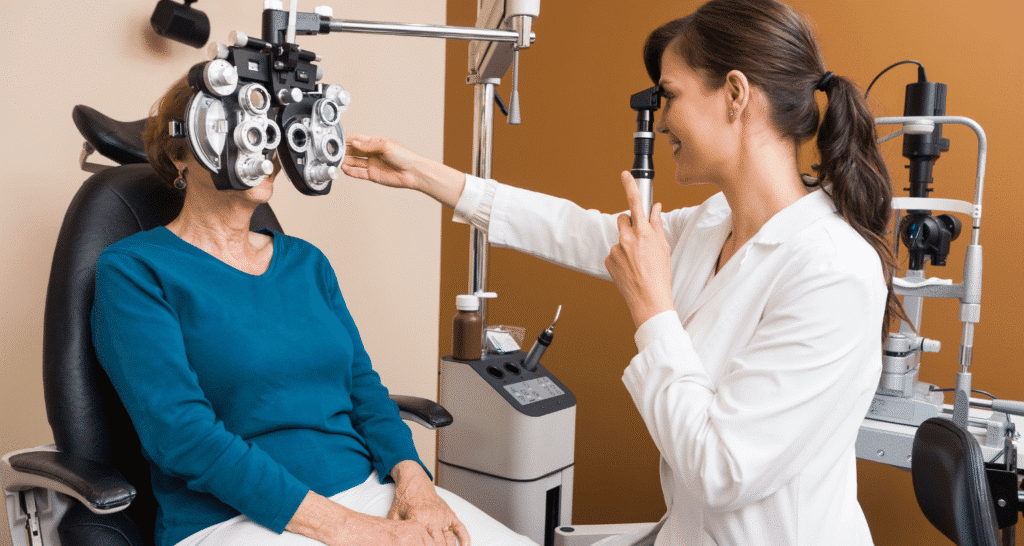
Comparison of Eye Care Professionals
Here’s a quick comparison:
Optician
- Training: 1 to 2 years
- Prescribe glasses: No (uses prescriptions from doctors)
- Prescribe medications: No
- Perform surgery: No
- Diagnose eye diseases: No
- Perform eye exams: No
Optometrist (OD)
- Training: 4 years of optometry school after college
- Prescribe glasses: Yes
- Prescribe medications: Yes (limited)
- Perform surgery: No
- Diagnose eye diseases: Yes (common conditions)
- Perform eye exams: Yes
Ophthalmologist (MD/DO)
- Training: 4 years medical school plus 4+ years residency
- Prescribe glasses: Yes
- Prescribe medications: Yes (full range)
- Perform surgery: Yes
- Diagnose eye diseases: Yes (all conditions)
- Perform eye exams: Yes
FAQs About Eye Doctors
What are the three main types of eye doctors?
The three main types are ophthalmologists (medical doctors who perform surgery), optometrists (provide primary eye care and exams), and opticians (fit and dispense eyewear).
Can optometrists prescribe medication?
Yes. Optometrists can prescribe medications for many eye conditions. The specific medications allowed vary by state. They cannot prescribe controlled substances or perform surgery.
What’s the difference between an ophthalmologist and an optometrist?
Ophthalmologists are medical doctors who can perform surgery. Optometrists provide primary eye care including exams and prescriptions but cannot do surgery. Both can diagnose eye diseases and prescribe treatments.
Who performs eye surgery?
Only ophthalmologists perform eye surgery. They complete medical school and surgical training. Common surgeries include cataract treatment, LASIK, and glaucoma procedures.
What kind of doctor should I see for blurry vision?
Start with an optometrist. They can test your vision and determine the cause. If you need glasses or contacts, they’ll provide a prescription. If surgery or specialized care is needed, they’ll refer you to an ophthalmologist.
Do opticians need a license?
It depends on the state. Many states require opticians to be licensed. The requirements vary. All opticians receive training in fitting and adjusting eyewear.
How often should I get an eye exam?
Most adults should have an eye exam every one to two years. People with diabetes, glaucoma, or other conditions may need more frequent visits. Children should have their first exam at six months old, then regular checkups.
Does vision insurance cover eye exams?
Most vision insurance plans cover routine eye exams.Medical insurance may cover exams related to eye diseases or injuries. Check with your provider to understand your coverage.
Get the Eye Care You Need
Understanding the types of eye doctors helps you make informed choices about your vision health. Whether you need a routine exam, new glasses, or treatment for an eye condition, the right professional can help.
Barnes Talero Eyecare provides comprehensive optometry services for Nashville families. Dr. Maria Barnes and her bilingual team offer exams, medical eye care, vision therapy, and eyewear services. The practice accepts most vision insurance and medical insurance plans.
Ready to schedule your eye exam? Call (615) 485-6251 or register online. The office is located at 390 Harding Place, Suite 104, Nashville, TN 37211.
Se habla español. Your vision health is too important to wait.