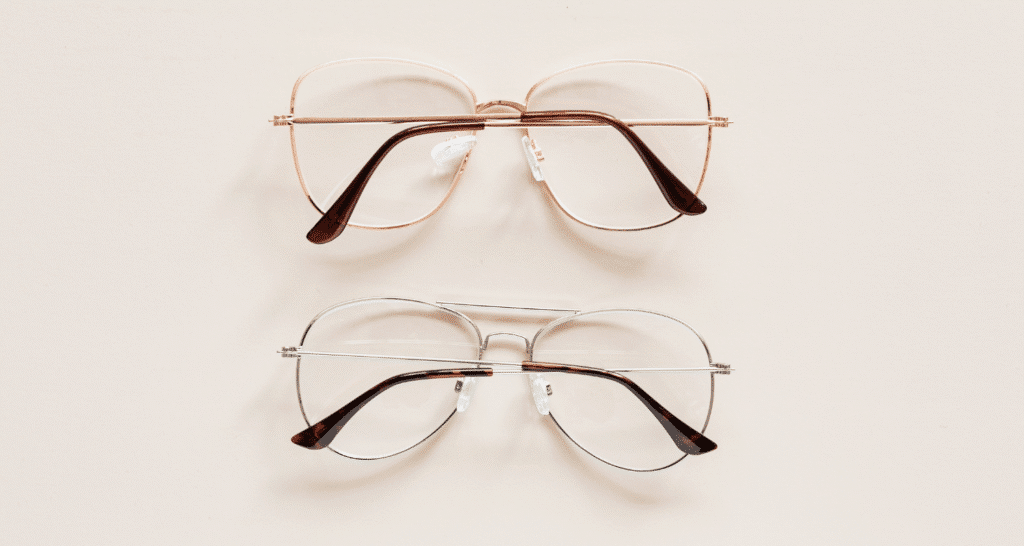
Choosing the right glasses isn’t just about finding frames that fit your face. The coatings on your lenses can make a big difference in how well you see and how long your glasses last.
At Barnes Talero Eyecare in Nashville, we help patients understand which lens coatings work best for their daily needs. Whether you’re working on a computer all day, spending time outdoors, or keeping up with active kids, the right coatings can improve your vision and protect your eyes.
What Are Lens Coatings?
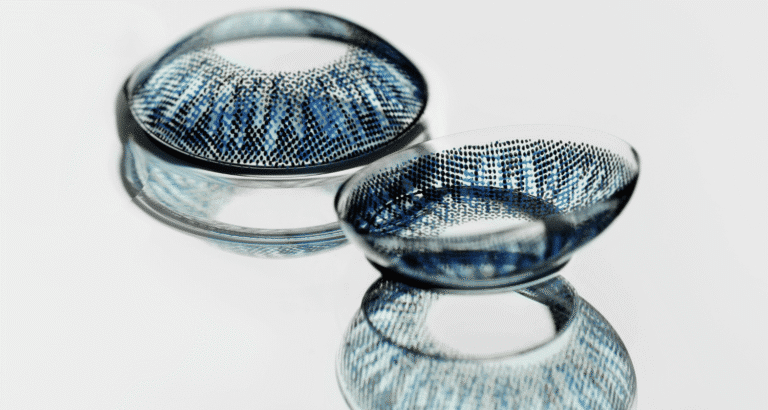
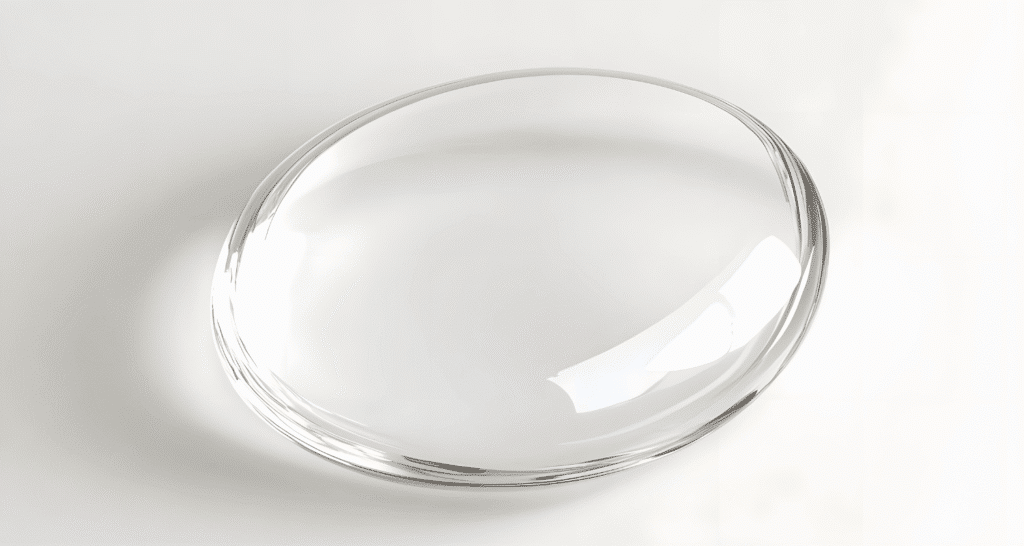
Lens coatings are thin layers applied to your glasses to add specific benefits. Think of them like protective treatments that make your lenses work harder for you.
Some coatings come standard with your glasses. Others are optional add-ons based on your lifestyle. You can combine multiple coatings on one pair of glasses to get the protection you need.
Our bilingual team at Barnes Talero Eyecare takes time to explain each option in English or Spanish, so you can make the best choice for your vision.
9 Essential Types of Lens Coatings
Anti-Reflective (AR) Coating
This coating reduces glare and reflections on your lenses. It makes your glasses nearly invisible and helps you see more clearly at night.
AR coating is perfect if you drive after dark, work under bright lights, or spend time on video calls. It also makes your lenses easier to clean and less noticeable to others.
Scratch-Resistant Coating
This protective layer makes your lenses harder and more resistant to daily wear. While no lens is completely scratch-proof, this coating helps prevent minor damage from cleaning or accidental drops.
Kids, active adults, and anyone who handles their glasses frequently benefit from this coating. It extends the life of your lenses and keeps your vision clear longer.
Blue Light Filter
Blue light filter coatings reduce exposure to high-energy light from digital screens and LED bulbs. This can help reduce eye strain, headaches, and sleep disruption from extended screen time.
Office workers, students, and gamers often notice less eye fatigue with blue light protection. If you spend more than three hours a day on devices, this coating may help.
UV Protection (UV400)
UV coating blocks harmful ultraviolet rays up to 400 nanometers. Just like sunscreen protects your skin, UV coating protects your eyes from sun damage.
Long-term UV exposure can lead to cataracts and other eye problems. This coating is important for everyone, especially if you spend time outdoors or drive during the day.
Hydrophobic Coating
This water-repelling coating makes raindrops and moisture bead up and roll off your lenses. Your glasses stay clearer in humid weather or light rain.
People in Nashville’s humid climate or those who stay active outdoors find this coating helpful. It also makes cleaning your glasses easier since water doesn’t stick to the surface.
Oleophobic Coating
Similar to hydrophobic coating, this treatment repels oils and fingerprints. Your lenses stay cleaner throughout the day with less smudging.
If you frequently adjust your glasses or have oily skin, this coating reduces the need for constant cleaning. It works well with hydrophobic coating for complete lens protection.
Photochromic (Transitions) Lenses
These lenses automatically darken in sunlight and clear up indoors. The coating reacts to UV light, adjusting tint based on your environment.
Photochromic lenses offer convenience if you move between indoor and outdoor spaces often. You won’t need to switch between regular glasses and sunglasses throughout the day.
Mirror Coating
Mirror coatings reflect light away from your eyes and reduce glare in bright conditions. They come in various colors and add a stylish look to sunglasses.
Athletes, outdoor workers, and anyone on the water or snow benefit from mirror coatings. They’re especially useful for activities like skiing, boating, or hiking.
Anti-Fog Coating
This coating prevents condensation from forming on your lenses when you move between temperature changes. Your vision stays clear when wearing masks or entering warm spaces from the cold.
Healthcare workers, athletes, and anyone dealing with Nashville’s temperature swings find anti-fog coating practical for daily use.
How to Choose the Right Lens Coating
Your daily routine should guide your coating choices. Here’s what works for different lifestyles:
Screen workers benefit from anti-reflective coating plus blue light filter. This combination reduces glare and helps prevent digital eye strain during long work hours.
Outdoor enthusiasts should consider UV protection, Photochromic lenses, and mirror coating. These protect your eyes from sun damage while reducing glare from reflective surfaces.
Children need scratch-resistant and UV protection coatings. Kids are tough on glasses, and these coatings help their eyewear last longer while protecting developing eyes.
Active adults do well with hydrophobic and scratch-resistant coatings. These keep glasses functional during exercise, outdoor activities, and busy schedules.
You can combine multiple coatings for layered protection. Dr. Maria Barnes, who has over 40 years of experience, says: “At Barnes Talero, we take the time to understand your daily needs before recommending coatings. It’s about comfort, clarity, and protecting your eyes for the long run.”
How to Care for Coated Lenses
Taking care of your coated lenses is simple. Never use paper towels or your shirt to clean them. These materials can scratch protective coatings over time.
Use a microfiber cloth and lens cleaner designed for eyeglasses. Rinse your glasses under lukewarm water before wiping to remove dust particles.
Don’t leave your glasses in hot cars or expose them to extreme temperatures. Store them in a protective case when not wearing them, and never place them lens-down on surfaces.
If your glasses need adjustment or professional cleaning, bring them to Barnes Talero Eyecare. We’ll help maintain your lenses and ensure coatings stay effective.
FAQs
Can I get more than one lens coating?
Yes, most coatings work well together. We often combine anti-reflective, UV protection, and scratch-resistant coatings on one pair of glasses.
Is anti-glare the same as anti-reflective?
These terms describe similar coatings that reduce reflections. Anti-reflective is the technical term, while anti-glare describes what the coating does.
How long do coatings last?
Quality coatings last the life of your lenses with proper care. Most coatings maintain their effectiveness for two to three years of daily wear.
Do I need special care for coated lenses?
Clean your glasses with a microfiber cloth and lens cleaner. Avoid paper towels, clothing, or harsh chemicals that can damage coatings.
Are coatings included in glasses at Barnes Talero?
Some coatings come standard, while others are optional upgrades. We’ll discuss all options and costs during your visit.
Schedule an Eye Exam Today
Finding the right lens coatings starts with understanding your vision needs. At Barnes Talero Eyecare, we offer personalized consultations in English and Spanish.
Our independent practice serves Nashville, Antioch, Brentwood, and South Nashville with advanced diagnostic tools and experienced care. We accept most vision and medical insurance plans.
Ready for clearer, more comfortable vision? Book your eye exam today.
¿Prefieres atención en español? ¡Llámanos para agendar tu cita!
Call (615) 485-6251 or visit us at 390 Harding Place, Suite 104, Nashville, TN 37211.