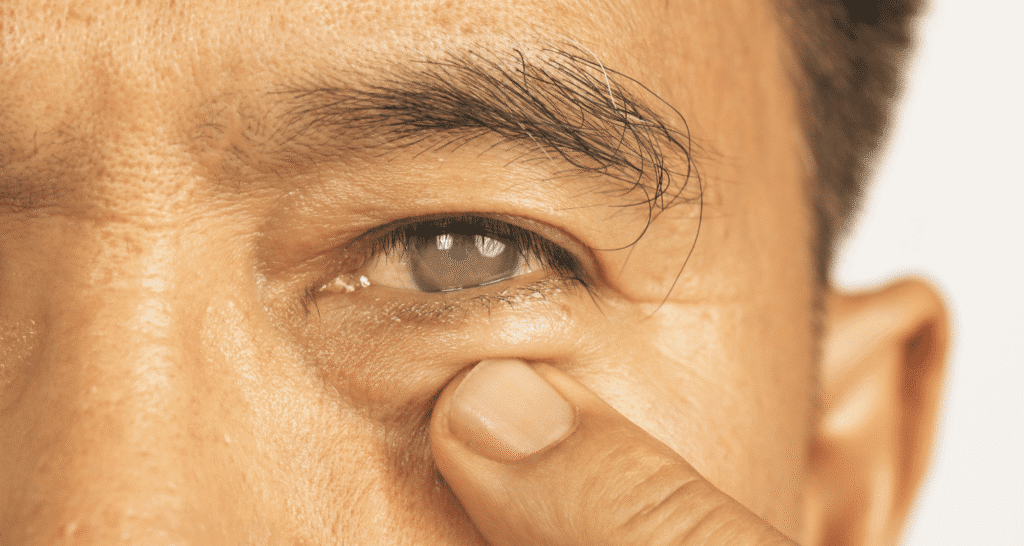
Most of us don’t think much about our eyes until something feels off. Maybe you notice text looks blurry, or your eyes feel dry after a long day. These signs are more common than you might think. Many eye problems are easy to treat when caught early.
At Barnes Talero Eyecare in Nashville, we help patients understand and manage a wide range of vision issues. Here’s what you need to know about the most common eye problems and when to get help.
Refractive Errors: When Your Vision Needs Correction
Refractive errors affect over 150 million Americans. They happen when the shape of your eye doesn’t bend light correctly. This makes things look blurry.
Myopia (Nearsightedness) makes far objects hard to see. You might struggle to read road signs or see a whiteboard across the room.
Hyperopia (Farsightedness) makes close objects blurry. Reading books or looking at your phone might cause strain.
Astigmatism creates distorted vision at all distances. Your cornea has an irregular shape, like a football instead of a basketball.
Presbyopia happens after age 40. Your eye’s lens loses flexibility, making it hard to focus on nearby objects. You might find yourself holding menus at arm’s length.
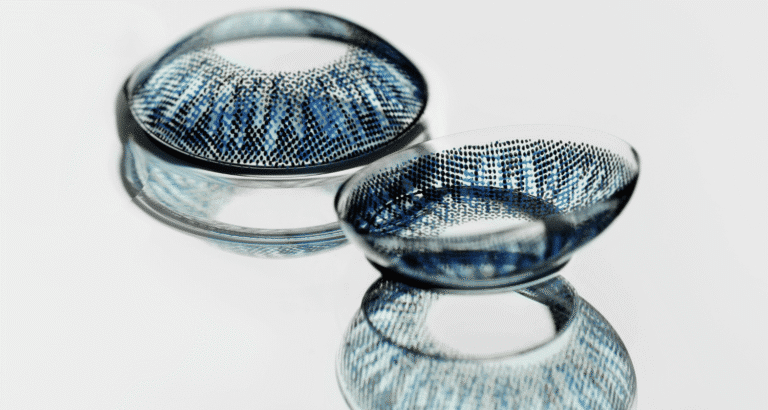
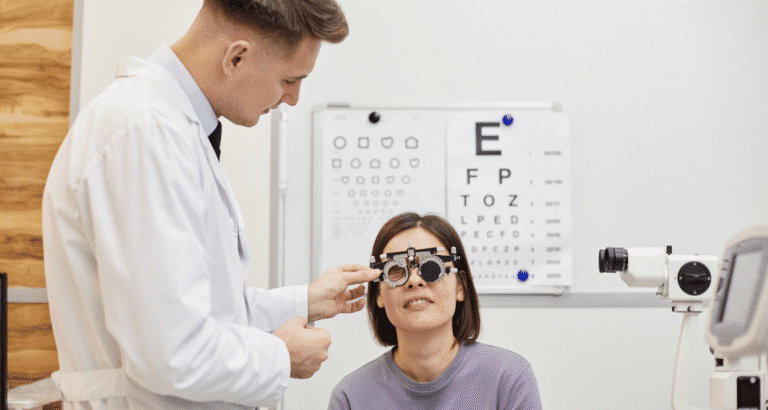
The good news? Glasses, contact lenses, or LASIK surgery can correct all of these. Regular eye exams help us find the right solution for your lifestyle.
Dry Eye Syndrome: More Than Just Irritation
Dry eyes feel gritty, itchy, or like they’re burning. This happens when your eyes don’t make enough tears or when tears evaporate too fast.
Screen time is a major cause. When we stare at computers or phones, we blink less often. Other causes include aging, certain medications, air conditioning, and dry weather.
At our Nashville clinic, we offer several dry eye treatments:
- Prescription eye drops that help your eyes make better tears
- Warm compresses and lid hygiene routines
- Omega-3 supplements to improve tear quality
- Long-term management plans for chronic cases
Don’t ignore persistent dry eyes. Left untreated, they can damage the surface of your eye.
Cataracts: Clouding of Your Vision
Cataracts develop when the lens inside your eye becomes cloudy. Over time, this cloudiness blocks light from reaching your retina. Most people with cataracts have lens replacement surgery by age 80.
Early signs include:
- Blurry or cloudy vision
- Glare around lights, especially at night
- Colors looking faded or yellowed
- Needing brighter light for reading
Cataract surgery is one of the safest and most successful procedures. We remove the cloudy lens and replace it with a clear intraocular lens (IOL). Different types of IOLs can correct near vision, far vision, or both.
Barnes Talero Eyecare offers comprehensive cataract evaluations and helps you choose the best IOL for your needs.
Glaucoma: The Silent Thief of Sight
Glaucoma affects over 80 million people worldwide. It damages the optic nerve when pressure builds up inside your eye. The scary part? You often don’t notice symptoms until you’ve already lost significant vision.
Open-angle glaucoma, the most common type, has no early warning signs. Vision loss starts at the edges and slowly moves inward.
Closed-angle glaucoma causes sudden symptoms like:
- Severe eye pain
- Blurry vision
- Rainbow halos around lights
- Sudden vision loss
Regular eye exams are the only way to catch glaucoma early. We check your eye pressure and examine your optic nerve at every comprehensive exam. Treatment with prescription drops or surgery can slow or stop vision loss.
Age-Related Macular Degeneration (AMD)
AMD affects the center of your retina, called the macula. This is what helps you see fine details. The condition makes reading, driving, and recognizing faces difficult.
Dry AMD develops slowly as the macula thins with age. Wet AMD happens when abnormal blood vessels grow under the retina and leak fluid.
Risk factors include:
- Age over 50
- Smoking
- Family history
- Light-colored eyes
Early detection matters. We use advanced imaging to spot AMD before symptoms appear. While there’s no cure, treatment can slow progression and protect your remaining vision.
Diabetic Retinopathy: A Serious Complication
If you have diabetes, high blood sugar can damage the blood vessels in your retina. This leads to diabetic retinopathy, a leading cause of blindness in adults.
Early stages show no symptoms. As it progresses, you might notice:
- Floaters or dark spots
- Blurred vision
- Difficulty seeing at night
- Empty areas in your central vision
All diabetic patients need yearly eye exams. We can detect changes before you notice any vision problems. Early treatment prevents severe vision loss.
Floaters and Retinal Detachment
Floaters are tiny specks or cobwebs that drift across your vision. Most are harmless and normal, especially as you age. But sudden changes need immediate attention.
Warning signs of retinal detachment:
- A sudden shower of floaters
- Flashes of light
- A dark curtain or shadow moving across your vision
- Sudden vision loss
Retinal detachment is a medical emergency. The light-sensitive layer of your retina pulls away from its supporting tissue. Without quick treatment, it causes permanent vision loss. If you notice these symptoms, call our Nashville office right away at (615) 485-6251.
Conjunctivitis (Pink Eye)
Pink eye makes your eyes red, itchy, and watery. The thin tissue covering your eyeball and inner eyelids becomes inflamed.
Causes include:
- Viral or bacterial infections (highly contagious)
- Allergies
- Irritants like smoke or chlorine
Wash your hands often and avoid touching your eyes. Most cases clear up on their own, but bacterial infections need antibiotic drops. Pink eye is common in children, which is why we emphasize regular children’s eye exams.
Lazy Eye and Eye Misalignment
Amblyopia (lazy eye) happens when one eye doesn’t develop normal vision during childhood. That eye tends to wander while the other stays focused.
Strabismus means your eyes don’t line up properly. One might turn in, out, up, or down. These conditions won’t fix themselves.
Treatment works best when started early. Options include:
- Corrective glasses
- Eye patches to strengthen the weak eye
- Vision therapy exercises
- Surgery in some cases
Barnes Talero Eyecare offers vision therapy for both children and adults who need help strengthening eye coordination and focus.
Uveitis and Eye Infections
Uveitis is inflammation in the middle layer of your eye. It can destroy eye tissue and cause vision loss. People with autoimmune conditions like rheumatoid arthritis or ulcerative colitis have higher risk.
Symptoms include:
- Blurred vision
- Eye pain and redness
- Light sensitivity
Don’t wait if these symptoms last more than a few days. Different types of uveitis need different treatments. Quick care prevents serious damage.

Eye Strain from Screen Use
Digital eye strain affects anyone who spends hours on computers, phones, or tablets. Your eyes get tired from focusing at the same distance for too long.
Tips to reduce strain:
- Follow the 20-20-20 rule: Every 20 minutes, look at something 20 feet away for 20 seconds
- Position screens at arm’s length, slightly below eye level
- Reduce glare with screen filters or better lighting
- Use computer glasses designed to reduce strain
We can prescribe specialized computer glasses that make screen time more comfortable. Many patients report less fatigue and fewer headaches.
Color Blindness
Color blindness makes it hard to see certain colors or tell them apart. Red-green color blindness is most common. Most people are born with it, though certain medications and diseases can cause it later.
Men are much more likely to have color blindness than women. While there’s no cure for inherited color blindness, special contact lenses and glasses can help some people distinguish colors better.
When to See an Eye Doctor
Schedule an eye exam if you experience:
- Sudden vision changes or loss
- Persistent eye pain
- Red eyes that won’t clear up
- Frequent headaches
- Seeing flashes of light or new floaters
- Difficulty seeing at night
- Blurry vision that gets worse
- A dark shadow or curtain in your vision
Don’t wait for symptoms to worsen. Many serious eye conditions have no early warning signs. Adults should have comprehensive eye exams every one to two years. People over 60, diabetics, or those with family history of eye disease need more frequent checks.
FAQs
What are the most common eye problems in adults?
Cataracts, glaucoma, dry eyes, and refractive errors like nearsightedness are most common in adults.
How do I know if my eye problem is serious?
If you have pain, sudden vision loss, or see flashes or floaters, see a doctor right away.
When should I see an eye doctor for eye discomfort or vision changes?
Any time vision gets worse or your eyes hurt, it’s best to get checked.
Can eye strain from screens lead to long-term damage?
Not usually, but it can cause headaches, dry eyes, and blurry vision if ignored.
Is blurry vision always a sign of an eye disease?
No. It might just mean you need glasses, but it’s worth getting checked.
What causes dry eyes and how is it treated?
Dry eyes happen when your eyes don’t make enough tears. Eye drops or tear duct plugs help.
Are cataracts only a problem for older adults?
No. Cataracts are more common with age, but younger people can get them too.
Can glaucoma be prevented or slowed down?
You can’t stop it fully, but early treatment can slow it and protect vision.
What’s the difference between glaucoma and macular degeneration?
Glaucoma harms the optic nerve. Macular degeneration affects central vision.
How often should I have my eyes checked?
Most adults should get their eyes checked every one to two years.
Is there a cure for color blindness?
No cure, but some glasses or lenses can help people tell colors apart better.
What is the best way to protect my vision as I age?
Get regular eye exams, eat healthy, wear sunglasses, and rest your eyes.
Can children have serious eye conditions like lazy eye?
Yes. Amblyopia and eye turns are common in kids and should be treated early.
Are floaters dangerous or normal?
Most floaters are normal. If they appear suddenly or come with flashes, see a doctor fast.
What are refractive errors and how are they corrected?
These are problems with how your eyes bend light. Glasses, contacts, or surgery can fix them.
Your Eye Health Matters
Your vision affects every part of your life. Work, hobbies, driving, and time with family all depend on healthy eyes. Many eye problems are easy to treat when caught early, but they can cause permanent damage if ignored.
At Barnes Talero Eyecare, we provide complete eye care for Nashville families. Our clinic at 390 Harding Place offers comprehensive eye exams, medical eye care, and treatment for conditions ranging from dry eyes to cataracts.
We use modern diagnostic tools to detect problems early. Whether you need glasses, treatment for an eye condition, or guidance on protecting your vision, our team provides care you can trust.
Noticed any of these symptoms? Schedule a comprehensive eye exam today at our Nashville clinic.
Call us at (615) 485-6251 or visit barnestaleroeyecare.com to book your appointment.
Barnes Talero Eyecare is here to help you protect your vision for years to come.