Daily contact lenses are one of the most popular lens choices today, and it’s easy to see. More people are choosing daily contacts because they’re easy to use and require almost no maintenance. But like any vision correction option, they come with both benefits and drawbacks.
Whether you’re new to contacts or looking to change your routine, this guide will help you make a smart choice. At Barnes Talero EyeCare, we help Nashville patients find the right contact lenses for their eyes and lifestyle.
What Are Daily Contact Lenses?
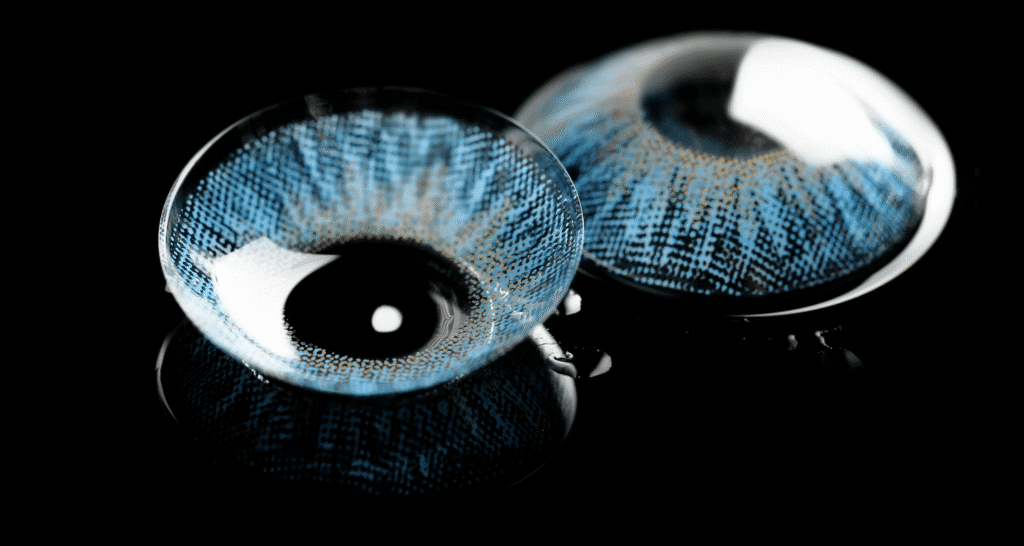
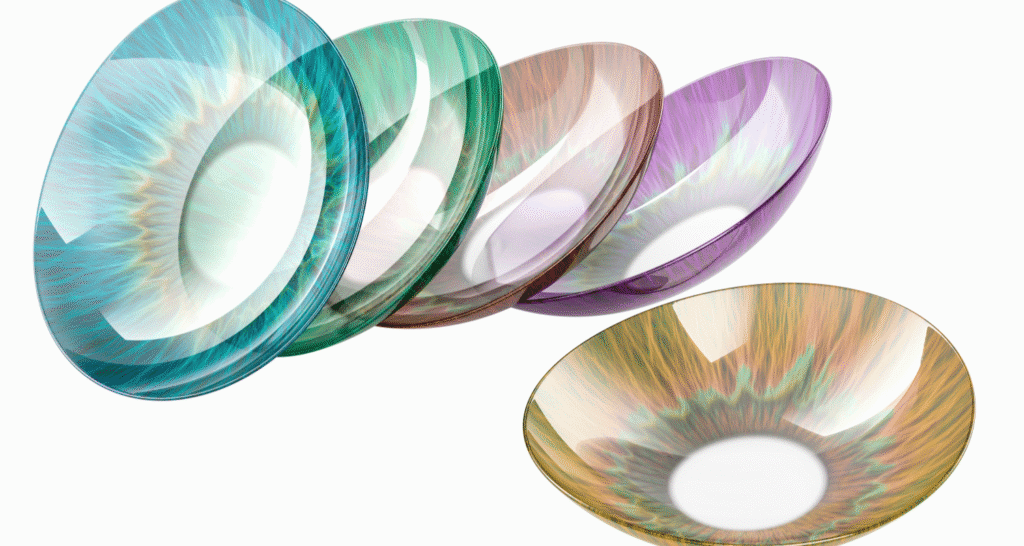
Daily contact lenses are soft, single-use lenses. You wear them for one day and throw them away at night. The next morning, you open a fresh pair.
There’s no cleaning routine. No storing them in solution overnight. Just put them in, wear them all day, and toss them out.
Daily disposable contacts are available in many prescriptions and work well for common vision problems like nearsightedness, farsightedness, astigmatism, and presbyopia.
If you want to understand which type fits your needs, a contact lens exam at Barnes Talero EyeCare is the best place to start.
The Pros of Daily Contact Lenses
1. No Cleaning Required
This is the biggest benefit. You don’t need a solution, storage cases, or a nightly cleaning routine. Just toss them at night and open a fresh pair each morning.
2. Lower Risk of Eye Infections
Protein, lipids, and other deposits build up on reusable lenses over time. Daily contacts skip that problem entirely. A fresh lens every day means fewer deposits and a lower chance of infection. According to the Centers for Disease Control and Prevention, proper contact lens habits are one of the most important steps you can take to protect your eye health.
3. Great for Allergy Sufferers
Got seasonal allergies? Daily contacts can help. Because you replace them every day, allergens have less time to build up on the lens surface. That means less irritation and more comfort throughout the day.
4. Easy for Beginners
If you’re new to contacts, daily lenses are the simplest option. No complicated care steps. You only need to remember to replace them each morning.
5. Perfect for Teens
Teenagers are busy. They often forget lens care routines. Daily contacts remove that problem entirely. Parents don’t have to worry about dirty or overworn lenses causing eye damage. The American Academy of Ophthalmology notes that following proper wear schedules is one of the best ways to avoid serious contact lens related eye infections.
6. Great for Part-Time Wearers
Only wear contacts on weekends or for sports? Daily lenses are ideal. You don’t waste a solution or worry about a lens sitting in a case for weeks at a time.
The Cons of Daily Contact Lenses
1. Higher Cost Over Time
Daily contacts cost more than bi-weekly or monthly lenses when you add it all up. You need a fresh pair every single day. That adds up quickly over a year. Keep in mind though, you won’t spend money on solution or storage cases, which does offset some of the cost.
2. More Plastic Waste
You throw away a pair of lenses every day. That’s a lot of plastic over time. If reducing waste matters to you, this is worth thinking about before making your choice.
3. Thinner and More Fragile
Daily lenses are made with softer, thinner material than reusable lenses. That means they can tear more easily. You need to handle them with care when putting them in or taking them out.
4. Fewer Material Options
Reusable lenses come in more material types, including rigid gas permeable options. Daily contacts are always soft lenses. If you need a specific material for your eye health, a daily lens may not always be available in that type.
Daily Contacts vs. Reusable Lenses
Both types of lenses correct vision well. The difference comes down to lifestyle, budget, and how much maintenance you want.
Daily contacts are better if you want convenience, have allergies, or wear lenses only part of the time. Reusable lenses may work better if you want to save money long term or need a specific lens material for your eye condition.
If you’re not sure which fits your life better, our team can help. We offer contact lens exams for hard-to-fit patients and take the time to find lenses that work for your eyes.
Who Should Consider Daily Contacts?
Daily contacts work well for a wide range of people, including those with allergies or sensitive eyes, kids and teens who need a simple routine, adults who only wear contacts part-time, and anyone who is new to contact lenses.
They may not be the best choice if budget is a big concern. That said, daily options do exist for many conditions. We offer toric contact lenses for astigmatism and bifocal and multifocal contact lenses for those who need them. Our team also works with patients who are hard to fit for contacts and may have struggled with other lens types in the past.
It’s also worth knowing that conditions like dry eye disease can make daily lens wear uncomfortable. If your eyes feel dry or irritated often, getting checked before choosing a lens type is a smart move. The American Optometric Association recommends regular eye exams to make sure your contact lenses continue to fit well and suit your eye health over time.
Frequently Asked Questions
What are the downsides of daily contacts?
The main downsides are cost and waste. They cost more over time than reusable lenses and create more plastic waste. They’re also thinner and can tear more easily.
What is the 4 to 1 rule for contact lenses?
It means for every four hours of wear, give your eyes one hour of rest. This helps prevent dryness and irritation. Your eye doctor may give you a different schedule based on your eyes.
Can you wear contacts with a style?
No. A stye is a bacterial infection near the eyelid. Wearing contacts can spread bacteria and make it worse. Wait until it heals fully before putting contacts back in.
Is it good to use contact lenses every day?
Yes, for most people daily wear is fine. Just follow safe habits, replace lenses on schedule, and never sleep in lenses not approved for overnight use.
Is it healthier to wear contacts or glasses?
Neither is better overall. Glasses carry no infection risk. Contacts offer better peripheral vision. The healthiest option is whichever one you use correctly and consistently.
Do daily contact lenses need to go in a liquids bag?
No. Sealed blister packs are considered solid items by the TSA and don’t need to go in a liquids bag. Any contact lens solution you carry does follow the 3-1-1 liquid rule.
Can I put my daily contacts in solution for a few hours?
No. Daily lenses are not made to be stored and reused. Doing so raises your risk of infection. If your lens feels dry, use rewetting drops instead.
Ready to Try Daily Contact Lenses?
The best way to know if daily contacts are right for you is to talk with an eye doctor. At Barnes Talero EyeCare, we review your vision, eye health, and lifestyle before recommending any lens type.
We serve Nashville families at 390 Harding Place, Suite 104. Call us at (615) 485-6251 or book an appointment online. We also offer eye exams designed for contact lens wearers so you always get the right fit and the right prescription.