Choosing between gas permeable contact lenses and soft lenses can feel confusing. Both work well, but they are very different in how they feel, how they perform, and how they affect your eyes over time. This guide breaks down what you need to know so you can make a clear choice.
What Are Gas Permeable (RGP) Contact Lenses?
Gas permeable lenses, also called RGP lenses or hard contact lenses, are made from a firm silicone-based material. They keep their shape on the eye instead of bending like soft lenses do.
The key benefit is oxygen flow. RGP lenses allow a high level of oxygen to reach your cornea. This is good for long-term eye health.
They are also custom-fitted to your eye. Because of this, they correct vision very precisely, especially for complex prescriptions.
What Are Soft Contact Lenses?
Soft lenses are the most common type worn today. They are made from flexible materials, either hydrogel or silicone hydrogel. They bend to fit the shape of your eye.
They come in daily, bi-weekly, and monthly options. Most people find them easy to get used to right away. If you are new to contacts, soft lenses are often where people start.
Key Differences Between Gas Permeable and Soft Lenses
Here is a quick side-by-side look at how these two lens types compare:
| Feature | Soft Lenses | Gas Permeable (RGP) |
| Comfort | Immediate | 1 to 2 week adjustment |
| Vision Quality | Good | Sharper, more precise |
| Oxygen Flow | Moderate | High |
| Durability | Low | High |
| Long-Term Cost | Higher | Lower |
| Dry Eye | Can worsen it | Better for dry eyes |
| Stability | Stays in well | Can dislodge |
Comfort and Adjustment Period
Soft lenses feel comfortable from day one. Most people do not even notice them after a short time.
RGP lenses take longer to get used to. The firm material can feel strange at first. It usually takes one to two weeks before they feel normal. If you stop wearing them for a few days, you may need to readjust again.
This adjustment period is the main reason many people avoid RGP lenses, even though they offer clear benefits.
Vision Quality: Which Gives You Sharper Vision?
RGP lenses win here. Because they hold their shape on the eye, they create a smooth surface for light to pass through. This gives you crisper, cleaner vision.
Soft lenses can shift slightly on the eye. For most people, this is not a big issue. But for those with complex prescriptions or irregular corneas, it can lead to slightly blurred vision.
If you want the sharpest vision possible, RGP lenses are the better choice.
Eye Health and Oxygen Transmission
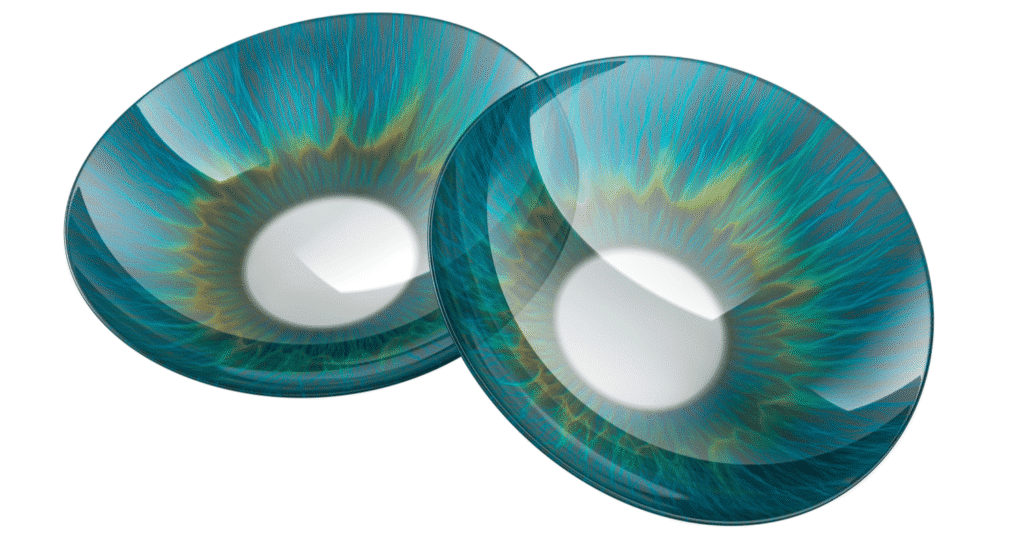
Your cornea needs oxygen to stay healthy. It gets most of this oxygen directly from the air, not from blood vessels.
RGP lenses let more oxygen reach the cornea compared to many soft lenses. This reduces the risk of problems linked to oxygen shortage, like corneal swelling or irritation.
Long-term soft lens wear, especially with older hydrogel materials, can sometimes restrict oxygen flow. Silicone hydrogel soft lenses have improved this, but RGP lenses still rank higher overall for oxygen transmission.
If eye health is your top concern, that is something worth discussing during your contact lens fitting.
Cost Comparison: Short-Term vs Long-Term
Soft lenses cost less upfront. But you replace them often. Daily lenses can cost $400 to $600 per year. Monthly lenses are cheaper but still add up.
RGP lenses cost more at the start, especially for the fitting. But a single pair can last up to a year or longer if cared for properly. Yearly costs often land between $150 and $400 after the initial fitting.
Over time, RGP lenses are usually the more budget-friendly option.
Durability and Care
RGP lenses are tough. They resist protein deposits and do not tear easily. With proper cleaning, they can last for years.
Soft lenses are thinner and more fragile. Daily lenses are discarded after one use. Bi-weekly and monthly lenses need daily cleaning and can break down over time if not replaced on schedule.
Which Is Better for Dry Eyes?
Soft lenses absorb water. For people with dry eyes, this can be a problem. The lens pulls moisture from your eye, which makes dryness worse.
RGP lenses do not absorb water. They sit on a thin layer of tears and allow fresh tears to move underneath the lens. Many eye doctors recommend RGP lenses for people with chronic dry eye.
If you deal with dryness regularly, talk to your eye doctor about whether RGP lenses might be a better fit. You can also learn more about managing eye conditions at the eye conditions page.
Best Contact Lenses for Astigmatism
Astigmatism happens when the cornea has an uneven shape. This makes vision blurry at most distances.
RGP lenses are excellent for astigmatism. Because they hold their shape, they create a smooth, even surface over the irregular cornea. This corrects vision more effectively than soft lenses in many cases.
Soft lenses for astigmatism, called toric lenses, do exist. They work for mild to moderate cases. But for high or irregular astigmatism, RGP lenses are usually the stronger option.
Which Is Better for Sports?
Soft lenses are better for active people. They fit close to the eye and rarely fall out during movement.
RGP lenses are smaller and can dislodge if hit by wind, debris, or impact. They are not ideal for contact sports or high-activity lifestyles.
If you play sports or are very active, soft lenses are the safer pick.
Hybrid Contact Lenses: A Middle Option
Hybrid lenses combine both materials. They have a rigid center like an RGP lens and a soft outer edge. This gives you sharper vision with more comfort than a standard RGP lens.
They are harder to fit and less widely available. But they can be a great option for people who want better vision correction without the full adjustment period of RGP lenses.
Who Should Choose RGP Lenses?
RGP lenses are a good fit if you:
- Have astigmatism or an irregular cornea
- Struggle with dry eyes
- Want sharper vision
- Plan to wear lenses consistently
- Want to save money over time
Who Should Choose Soft Lenses?
Soft lenses work better if you:
- Want comfort from day one
- Play sports or live an active lifestyle
- Only wear lenses occasionally
- Are new to contact lenses
Are Gas Permeable Lenses Safe for Long-Term Use?
Yes. RGP lenses are very safe for long-term wear. They collect fewer deposits than soft lenses. They are easier to clean thoroughly. And they allow more oxygen to reach the eye, which lowers the risk of infection and corneal problems over time.
Many eye doctors actually prefer RGP lenses for patients with specific eye conditions because of their long-term safety record.
How to Choose the Right Contact Lens
The right lens depends on your prescription, your lifestyle, and your eye health. There is no single best answer for everyone.
The best starting point is a proper comprehensive eye exam. Your eye doctor will check your prescription, the health of your cornea, and how your eyes handle different lens materials.
From there, a contact lens fitting will help match you to the right type. Getting fitted properly matters more than most people realize. A lens that fits poorly can cause discomfort, blurry vision, and even eye damage over time.
FAQ
Are gas permeable lenses better than soft lenses?
It depends on your needs. RGP lenses offer sharper vision and better oxygen flow. Soft lenses are more comfortable and easier to adjust to.
Do RGP lenses hurt at first?
They can feel uncomfortable during the adjustment period. This usually lasts one to two weeks.
Which contacts are best for dry eyes?
RGP lenses are generally better for dry eyes because they do not absorb moisture from your eye.
Can you sleep in gas permeable lenses?
Most RGP lenses are not approved for overnight wear. Ask your eye doctor about extended wear options.
Are RGP lenses safer long term?
Yes. They have lower infection risk and better oxygen transmission than many soft lenses.
Why do RGP lenses provide clearer vision?
They hold their shape on the eye, creating a smooth surface that corrects vision more precisely.
Ready to find out which lens is right for you? Book an eye exam and get expert advice from our Nashville eye care team.