Most people only think about their eyes when something feels wrong. But by the time you notice a problem, damage may have already started. That is why getting a routine eye exam every year matters so much. It is one of the simplest ways to protect your vision and catch health issues early.
What Is an Annual Eye Exam?
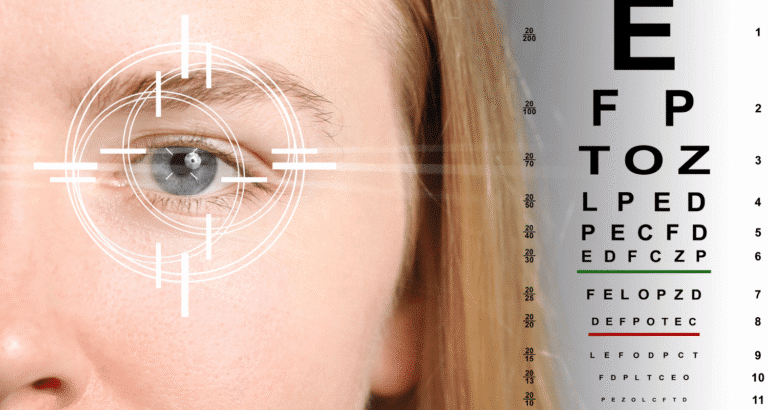
An annual eye exam is a full check of your vision and eye health. It is not the same as the quick screening you had in school. A comprehensive exam done by an eye doctor covers much more.
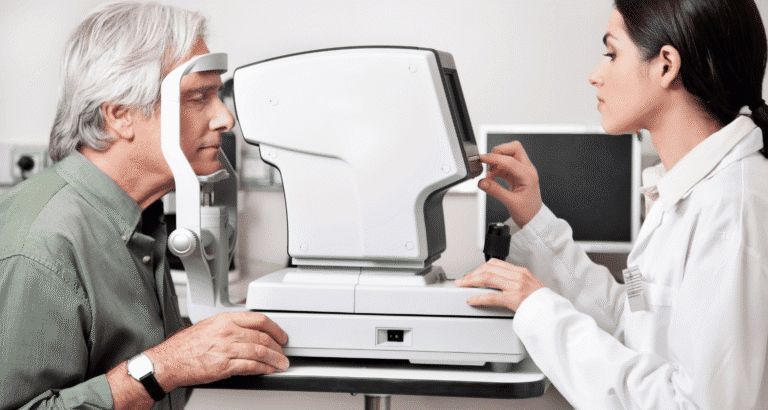
During the visit, your doctor will test:
- How clearly each eye sees
- Eye pressure levels
- How well your eyes move and focus together
- The health of the retina and optic nerve
- Your current prescription for glasses or contacts
This kind of exam gives your doctor a clear look at what is going on inside your eyes. It also gives them clues about your overall health.
How Annual Eye Exams Protect Your Vision
Your vision can change slowly. You may not notice it at first. That is the problem.
Many people walk around with blurry vision thinking it is normal. A yearly exam catches those changes early. Your doctor can update your prescription for eyeglasses or contact lenses before the blur gets worse.
Early detection also means early treatment. Treating eye conditions in their early stages is far more effective. Waiting can lead to permanent vision loss that could have been avoided.
Eye Exams Can Detect Serious Eye Diseases Early
This is one of the biggest reasons to get your eyes checked every year. Many eye diseases have no warning signs at first. You feel nothing. You see nothing unusual. But damage is happening quietly.
Glaucoma
Glaucoma damages the optic nerve. It often causes no pain and no vision changes in the early stages. By the time you notice something is wrong, significant damage has already occurred. An eye exam can catch rising eye pressure before the damage gets serious.
Macular Degeneration
This is an age-related condition that breaks down the tissue at the center of your retina. It leads to gradual central vision loss. There is no cure, but early detection slows it down and preserves more of your sight.
Diabetic Retinopathy
If you have diabetes, the blood vessels in your eyes can become damaged over time. This is called diabetic retinopathy. It is the leading cause of blindness in adults. The good news is that early detection and treatment can prevent or delay blindness in about 90% of cases.
Cataracts
Cataracts cause the lens of the eye to become cloudy. Vision becomes foggy or dim. Cataracts are the leading cause of vision loss in the United States. Regular exams help track their growth and plan for treatment when needed.
Eye Exams Can Reveal Other Health Problems
Your eyes are more than just tools for seeing. The blood vessels inside them are small and sensitive. They often show signs of health problems in other parts of your body before any other test does.
An eye doctor can spot early signs of:
- Diabetes through damaged blood vessels in the retina
- High blood pressure through changes in the blood vessel walls
- High cholesterol through a yellow or blue ring forming around the cornea
- Heart disease, stroke risk, and thyroid problems through structural changes in the eye
Doctors of optometry can identify early warning signs of more than 270 systemic conditions. A comprehensive eye exam is actually the only way to view the blood vessels behind the eye without an X-ray or surgery. That makes it a powerful tool for whole-body health monitoring.
Why Annual Eye Exams Matter Even If Your Vision Seems Fine
This is a common misconception. Many people skip their eye exam because they feel their vision is clear. But feeling fine does not mean everything is fine.
Silent diseases like glaucoma cause no pain. Only the front of the eye has pain receptors. Damage to the retina or optic nerve happens without any sensation. You would not feel it. The only way to know is through a proper exam.
Nearly half of adults aged 23 to 38 believe they do not need an eye exam if their vision is clear. That thinking puts them at serious risk. Preventive care is always better than reactive treatment.
How Eye Exams Support Children’s Learning
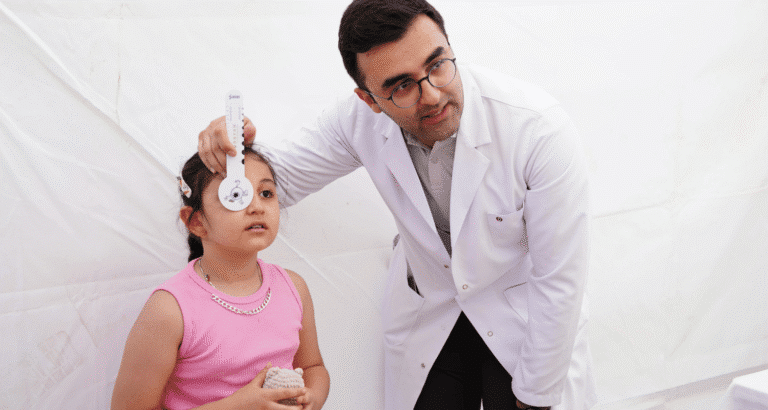
Children rarely complain about vision problems. They assume everyone sees the way they do. But poor vision affects reading, focus, and classroom performance.
Amblyopia, also called lazy eye, is the most common cause of vision loss in children. It affects 2 to 3 out of every 100 kids. It must be treated early to prevent lasting vision loss.
Less than half of preschool children have had their vision tested. Annual exams for kids help catch these problems while treatment is still most effective. If your child struggles in school, a children’s vision exam is a smart first step.
Who Should Get Annual Eye Exams?
Children need regular exams to support healthy vision development and school performance.
Adults benefit from yearly checkups to catch silent diseases and keep prescriptions current.
Seniors face higher risks for macular degeneration, cataracts, and glaucoma. Annual exams become even more important with age.
High-risk individuals include people with diabetes, high blood pressure, high cholesterol, or a family history of eye disease. These patients may need more frequent exams.
How Often Should You Get an Eye Exam?
General recommendations are:
- Adults: Every one to two years
- Children: Annually
- Seniors: Annually
- High-risk patients: More often, as directed by their eye doctor
People with diabetes should have a dilated eye exam every year. Those at higher risk for glaucoma, such as Black Americans over 40 or adults over 60, should have a dilated exam every two years.
Signs You May Need an Eye Exam Sooner
Do not wait for your next scheduled visit if you notice:
- Blurred or hazy vision
- Frequent headaches
- Eye strain, especially after screen use
- Difficulty reading small print
- Trouble seeing at night
- Sensitivity to light
- Floaters or flashes of light
- Eye redness, pain, or discharge
Any of these symptoms means it is time to see an eye doctor right away.
The Cost of Skipping Eye Exams
Skipping your yearly exam feels harmless. But it can lead to serious problems down the road.
Treating advanced eye disease costs far more than preventive care. Vision loss can reduce your ability to work, drive, and live independently. Some conditions, once they cause damage, cannot be fully reversed.
The cost of one missed exam can become the cost of surgery, ongoing treatment, or permanent vision impairment. Prevention is always the smarter financial and health decision.
Schedule Your Annual Eye Exam Today
Your eyes work hard every day. They deserve regular attention.
An annual eye exam protects your vision, catches disease early, and gives your doctor a window into your overall health. It takes less than an hour and can make a real difference.
At Barnes Talero EyeCare, our team provides thorough eye care services for patients of all ages in Nashville. We accept most vision and medical insurance plans.
Call us at (615) 485-6251 or book your appointment online today.
Frequently Asked Questions
Why are annual eye exams important?
They catch eye diseases early, update your prescription, and reveal signs of other health conditions.
What diseases can be detected during an eye exam?
Glaucoma, macular degeneration, diabetic retinopathy, cataracts, diabetes, high blood pressure, and more.
How often should you get your eyes checked?
Most adults should go every one to two years. Children and high-risk patients should go annually.
Do I need an eye exam if my vision is good?
Yes. Many serious eye diseases have no early symptoms. An exam is the only way to know for sure.
Can eye exams detect other health problems?
Yes. Eye doctors can spot signs of diabetes, high blood pressure, cholesterol issues, and over 270 other conditions.
What happens during an eye exam?
Your doctor checks vision, eye pressure, eye movement, and the health of your retina and optic nerve.
Are annual eye exams necessary for children?
Absolutely. Early exams catch conditions like lazy eye that must be treated before they cause lasting damage.
How long does an eye exam take?
Most comprehensive exams take between 30 and 60 minutes.