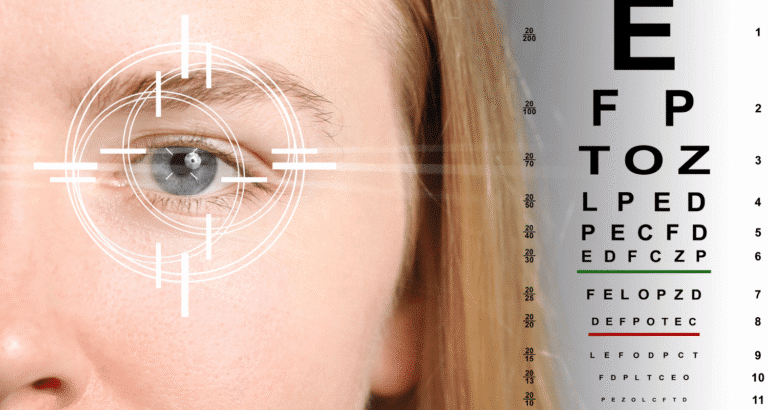
Lazy eye, known medically as amblyopia, is a condition where the brain favors one eye over the other. The weaker eye sends signals to the brain, but the brain starts to ignore them over time.
Despite the name, the eye itself is usually healthy. The problem is in how the brain processes what that eye sees.
Amblyopia typically begins in early childhood. If left untreated, the brain can permanently suppress vision in the weaker eye. This affects depth perception, reading, coordination, and school performance.
Many children show no obvious symptoms. That is why routine pediatric eye exams are so important for catching the condition early.
How Vision Therapy Treats Lazy Eye
Why Lazy Eye Happens
The brain and both eyes need to work as a team. When one eye has weaker vision due to a refractive error, eye turn, or other issue, the brain begins relying on the stronger eye. Over time, the brain stops processing input from the weaker eye altogether. This is called suppression.
Patching the stronger eye is a traditional treatment. It forces the weaker eye to work. But patching alone does not train both eyes to work together. It addresses one part of the problem without solving the root cause.
How Vision Therapy Rewires the Brain
Vision therapy works on a concept called neuroplasticity. This means the brain can change and adapt. Targeted exercises and activities retrain the brain to accept and use input from both eyes at the same time.
The goal is not just to improve vision in the weaker eye. It is to restore true binocular vision, where both eyes work as a coordinated team.
This approach improves depth perception, eye coordination, and visual processing. It treats the root cause rather than just the symptom.
Learning about binocular vision and vision therapy can help you understand why this approach works better than patching alone.
Vision Therapy vs Eye Patching for Lazy Eye
| Eye Patching | Vision Therapy | |
| Approach | Forces weaker eye to work | Trains both eyes to work together |
| Treatment style | Passive | Active brain and eye training |
| Binocular recovery | Limited | Directly improves binocular vision |
| Depth perception | Minimal impact | Significant improvement |
| Age range | Mainly children | Effective for children and adults |
| Root cause | Not addressed | Directly targeted |
Patching can improve visual acuity in some cases. But it does not fully restore how both eyes work together. Vision therapy addresses both the weaker eye and the coordination between the two eyes.
Common Vision Therapy Exercises for Lazy Eye
Pencil Push-Ups
Hold a pencil at arm’s length. Slowly bring it toward your nose. Stop when it becomes blurry. Move it away again. Repeat this five times per session, at least three times a day. This exercise strengthens how the eyes converge and focus together.
Brock String Exercises
A Brock string is a long white cord with colored beads attached. One end is fixed to a doorknob. You hold the other end to your nose. By focusing on each bead, you train the eyes to converge and work together at different distances. This is one of the most effective binocular training tools used in vision therapy.
Tracking and Focusing Drills
These exercises train the eyes to follow moving objects smoothly and shift focus between near and far targets. They improve eye coordination and strengthen visual processing speed.
Binocular Vision Games
Specially designed video games and digital tools allow each eye to see slightly different images at the same time. The brain must combine them to play. Research shows these dichoptic exercises improve the weaker eye and encourage the brain to stop suppressing it.
Some exercises are done in the clinic during supervised sessions. Others are assigned as daily home practice to reinforce progress between visits.
Can Vision Therapy Fix Lazy Eye in Adults?
Many people believe lazy eye can only be treated in young children. This is not accurate.
Neuroplasticity does not stop at childhood. The brain retains the ability to adapt at any age. Adults with amblyopia can see real improvements through vision therapy.
Adult treatment may take longer than treatment in children. But many adults achieve meaningful gains in visual clarity, depth perception, eye coordination, and reading ability.
Adults also tend to follow through with home exercises consistently, which plays a big role in outcomes.
The key is getting a proper evaluation and starting a structured program. Waiting or assuming it is too late often means leaving real improvement on the table.
If you have questions about getting started, understanding what to expect during an eye exam is a helpful first step.
Vision Therapy for Children with Lazy Eye
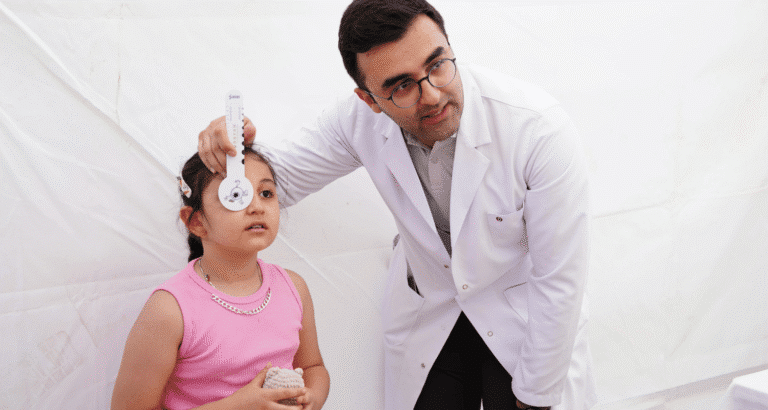
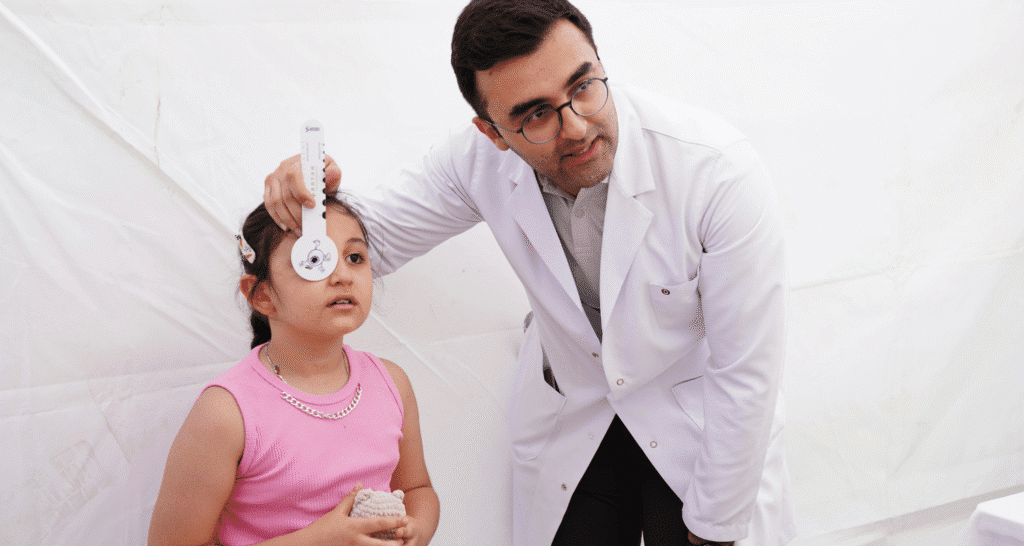
Early treatment leads to better outcomes. The younger the child, the more responsive the visual system tends to be. But this does not mean older children cannot benefit. Research shows improvement is possible well beyond the early years.
Children with untreated lazy eye often struggle with:
- Reading and comprehension
- Hand-eye coordination
- Sports and physical activity
- Confidence and self-esteem
Vision therapy gives children an active role in their treatment. Sessions are engaging and structured. Parents are usually given home exercises to do with their child between clinic visits. Consistency with home practice is one of the biggest factors in how fast a child progresses.
Parents can also explore how kids vision problems affect learning to better understand what their child may be experiencing in the classroom.
How Long Does Vision Therapy Take?
Progress varies based on severity, age, and consistency. Here is a general timeline:
| Stage | Typical Duration |
| Initial improvement | 2 to 6 weeks |
| Noticeable progress | 2 to 3 months |
| Full therapy program | 4 to 8 months |
Some patients complete treatment faster. Others with more significant amblyopia may need longer programs. Your therapist will track progress and adjust the plan as needed.
Regular attendance and daily home exercises make a significant difference in how quickly results appear.
Signs You May Need Vision Therapy for Lazy Eye
Look for these signs in yourself or your child:
- One eye appears to turn in or out
- Poor depth perception or difficulty judging distances
- Frequent squinting or closing one eye
- Difficulty reading or tracking words on a page
- Eye strain or headaches after visual tasks
- Clumsiness or trouble with hand-eye coordination
- Avoidance of close-up tasks like reading or drawing
- A previous diagnosis of amblyopia or strabismus
Many of these symptoms also appear in common eye conditions that benefit from early professional evaluation.
What Happens During Vision Therapy Treatment?
Functional Vision Evaluation
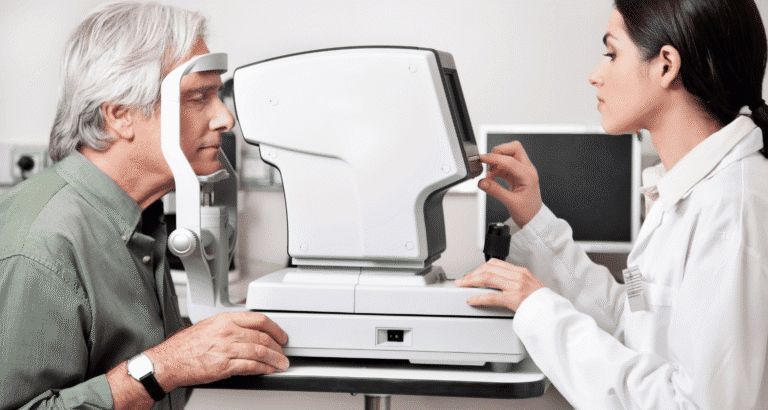
Treatment begins with a detailed exam. The specialist assesses how both eyes work together, how they track objects, how they focus, and how the brain processes visual input. This goes well beyond a standard eye test.
Customized Therapy Plan
No two cases of amblyopia are the same. The therapy plan is built around your specific deficits. It targets the areas where the visual system is weakest.
In-Office Sessions
Sessions are typically held once or twice per week. A trained vision therapist works with the patient one on one using specialized tools, lenses, prisms, filters, and digital programs.
Home Reinforcement Exercises
Between sessions, patients are given exercises to do at home. These reinforce what was worked on in the clinic and keep the brain actively training every day.
Benefits of Vision Therapy for Lazy Eye
Patients who complete a structured vision therapy program often experience:
- Stronger binocular vision and eye coordination
- Better depth perception and 3D vision
- Improved reading speed and comprehension
- Reduced eye strain and headaches
- Greater confidence in physical activities and sports
- Less suppression of the weaker eye
These gains tend to be long-lasting when therapy is completed fully and home exercises are done consistently.
For children, improved vision often leads directly to better school performance. Exploring kids optical options alongside therapy can also ensure the right prescription support is in place.
Is Vision Therapy Safe and Effective?
Yes. Vision therapy is a non-invasive, evidence-based treatment. It does not involve surgery or medication.
Research supports its effectiveness for amblyopia, binocular vision disorders, convergence problems, and related conditions. It is performed under the supervision of a developmental or neuro-optometrist with specialized training.
The exercises are age-appropriate and designed to be engaging rather than stressful. For children, many activities feel more like games than therapy.
The importance of annual eye exams is especially true for patients undergoing vision therapy, as regular monitoring helps track progress and adjust the treatment plan.
Frequently Asked Questions
Can vision therapy fix lazy eye?
Vision therapy can significantly improve amblyopia in both children and adults. It trains the brain and both eyes to work together, addressing the root cause rather than just forcing one eye to work harder.
Is lazy eye reversible in adults?
Yes, to a meaningful degree. Neuroplasticity allows the brain to adapt at any age. Adults can achieve real improvement in visual clarity, depth perception, and eye coordination through consistent vision therapy.
Does vision therapy replace patching?
Not always. In some cases, patching and vision therapy are used together. Vision therapy goes further by restoring true binocular function, which patching alone cannot do.
How long does treatment take?
Most programs range from four to eight months. Early responders may notice changes within the first few weeks. The full program depends on the severity of the amblyopia and patient consistency.
What causes amblyopia?
The most common causes are a significant difference in prescription between the two eyes, an eye turn (strabismus), or a physical obstruction like a cataract during early childhood development.
Can lazy eye affect reading?
Yes. Amblyopia can make it harder to track words, maintain focus, and process text efficiently. Many children with reading difficulties have an underlying binocular vision problem that was never identified.
If you or your child has been diagnosed with amblyopia, or if you notice any of the signs listed above, early evaluation is the best next step. A functional vision evaluation with a developmental optometrist can determine whether vision therapy is the right path forward. You can also review contact lens options for hard-to-fit patients if corrective lenses are part of the overall treatment plan.