
Sudden double vision that goes away is also called transient or intermittent diplopia. It means you see two images of one object, but the symptom clears up on its own after a short time.
This can last a few seconds or several minutes. Sometimes it comes back again later.
Even when it disappears quickly, it is not something to ignore. Your brain and eyes work together in a complex way. When something disrupts that process, even briefly, it can signal a real problem.
Understanding common eye problems can help you recognize when a symptom needs urgent attention and when it does not.
Why Sudden Double Vision Happens
Your eyes each capture a slightly different image. Your brain combines these into one clear picture. This process depends on muscles, nerves, and brain signals all working together.
When any part of this system fails, even briefly, your brain receives two images it cannot combine. The result is double vision.
Causes range from simple things like fatigue to serious issues like stroke. That is why even brief episodes need to be checked by a professional.
Types of Double Vision You Should Know
Binocular Double Vision
This is the most common and most serious type. The double vision goes away when you close or cover one eye. This means both eyes are involved, and the problem is likely in the muscles, nerves, or brain pathways that control eye movement.
Binocular double vision is more likely to signal a neurological problem.
Monocular Double Vision
This type stays even when you cover the other eye. It exists in one eye only. It is usually caused by a structural issue in that eye, like a cataract, dry eye, or astigmatism.
If you want to understand how astigmatism affects your vision, it helps to know how the shape of your cornea changes the way light enters your eye.
Monocular double vision is less likely to be a neurological emergency, but it still needs evaluation.
Serious Causes of Sudden Double Vision
Stroke or Transient Ischemic Attack (TIA)
A stroke happens when blood flow to the brain is cut off. A TIA is sometimes called a mini stroke. Blood flow is blocked temporarily, and symptoms may go away on their own.
Double vision is one of the warning signs of stroke. If it comes with slurred speech, weakness on one side of the body, or sudden dizziness, call 911 right away.
Multiple Sclerosis (MS)
MS damages the coating around nerve fibers. This disrupts signals between the brain and eyes. Double vision in MS can come and go as inflammation flares up and calms down.
Myasthenia Gravis
This is an autoimmune condition that weakens the muscles controlling eye movement. The double vision often gets worse later in the day or after physical activity. It may fully clear up after rest.
Cranial Nerve Palsy
Three cranial nerves control how your eyes move. Damage to any of these causes specific patterns of double vision. Diabetes and high blood pressure are common causes of cranial nerve problems.
Thyroid Eye Disease
An overactive or underactive thyroid can cause swelling and changes in the eye muscles. This may lead to double vision that comes and goes as thyroid levels shift.

Common Non-Emergency Causes
Not all temporary double vision points to a serious condition. Some common non-emergency causes include:
Eye strain or fatigue: Looking at screens for long periods tires the eye muscles. This can cause brief episodes of double vision. You can find out whether blue light glasses help with eye strain to better manage digital eye fatigue.
Dehydration: Low fluid levels affect nerve function and can cause brief visual disturbances.
Low blood sugar: Your brain needs glucose to function. When blood sugar drops, visual symptoms including double vision can occur.
Migraine aura: Before or during a migraine, some people experience visual changes including double vision. This is called migraine aura.
Stress and lack of sleep: These can tire the eye muscles and cause brief misalignment.
Alcohol or medications: Certain drugs and alcohol affect the brain signals that control eye movement.
When Sudden Double Vision Is an Emergency
Some symptoms mean you need emergency care right now. Do not wait to see if things improve.
Go to the emergency room or call 911 if your double vision comes with:
- Severe headache that feels like the worst of your life
- Slurred speech or trouble swallowing
- Drooping on one side of the face
- Weakness or numbness in your arm or leg
- Confusion or loss of consciousness
- Sudden dizziness or loss of balance
These can be signs of stroke, brain aneurysm, or another life-threatening condition. In a stroke, every minute counts. Acting fast can save your life or prevent permanent damage.
What It Means When Double Vision Comes and Goes
Intermittent double vision is especially tricky. The symptom disappears, so it is easy to dismiss it.
But recurring episodes are a serious warning sign. They may point to:
- Temporary nerve problems that flare up and settle down
- Muscle fatigue from conditions like myasthenia gravis
- Small changes in blood flow to the brain
- Migraine cycles that affect the visual system
If your double vision keeps coming back, even briefly, that pattern needs medical attention. A comprehensive eye exam is often the first step in figuring out the cause.
How Doctors Diagnose Sudden Double Vision
Eye Examination
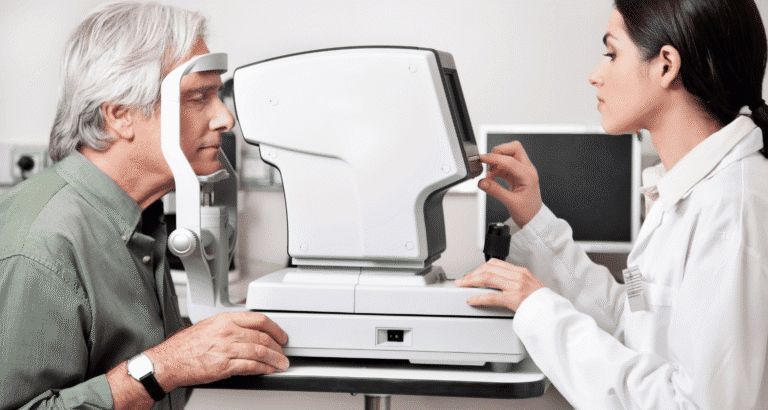
Your eye doctor will check how well your eyes move and align. They will test your vision and look for structural problems in the eye itself.
Neurological Assessment
If a neurological cause is suspected, a neurologist will test your balance, reflexes, muscle strength, and coordination.
Eye Movement Testing
This checks how your eyes track objects together. It helps identify which nerve or muscle may be affected.
Blood Tests
Blood tests can check for diabetes, thyroid disease, or autoimmune conditions like myasthenia gravis.
MRI or CT Scan
Brain imaging is often needed to check for stroke, plaques, tumors, or bleeding. This is especially important for binocular double vision with sudden onset.
Understanding what type of eye doctor to see in Nashville can help you decide where to start when symptoms appear.
What You Should Do If It Happens
If you suddenly experience double vision, take these steps:
- Stop driving or operating any equipment immediately. Close one eye to regain single vision safely.
- Check if the double vision goes away when you cover one eye. Note this for your doctor.
- Write down when it started, how long it lasted, and any other symptoms you noticed.
- If any red flag symptoms are present, go to the emergency room right away.
- If there are no emergency symptoms, call your eye doctor and schedule an urgent appointment.
Even if the double vision disappears completely, do not skip the appointment. A contact lens and eye care evaluation may also be helpful if you wear corrective lenses, as a poor fit can sometimes play a role.
Can Stress or Fatigue Cause Temporary Double Vision?
Yes, stress and fatigue can cause brief double vision. The eye muscles tire just like any other muscles. When they weaken from overuse or poor sleep, the eyes can briefly fall out of alignment.
However, stress and fatigue should only be considered a cause after serious conditions have been ruled out. Never assume the cause is minor without a proper evaluation.
If you often deal with dry eyes alongside fatigue, these symptoms together may indicate a deeper problem worth investigating.
How Long Does Temporary Double Vision Last?
Duration is a useful clue:
- A few seconds: Often related to fatigue, dehydration, or sudden changes in posture
- Several minutes: May point to migraine aura or TIA
- Hours or longer: More likely a serious neurological event
- Recurring episodes: Require thorough evaluation, even if each episode is brief
The longer it lasts, and the more often it comes back, the more urgently you need medical attention.
Frequently Asked Questions
What causes sudden double vision that goes away?
Causes range from fatigue and dehydration to serious conditions like stroke, MS, or cranial nerve palsy. Even if it clears quickly, a medical evaluation is important.
Is temporary double vision serious?
It can be. Even brief episodes may be early signs of stroke or neurological disease. Always have it checked.
Can dehydration cause double vision?
Yes. Low fluid intake affects nerve function and can lead to brief visual problems, including double vision.
Can anxiety cause double vision?
Stress and anxiety can cause eye muscle tension that leads to brief visual changes. But this should only be considered after ruling out serious causes.
When should I go to the ER for double vision?
Go immediately if double vision comes with headache, slurred speech, weakness, dizziness, confusion, or facial drooping. These are signs of a possible stroke or brain emergency.
What is transient diplopia?
Transient diplopia means temporary double vision that comes and goes. It is not a diagnosis on its own. It is a symptom that needs investigation to find the underlying cause.
Regular eye exams are one of the best ways to catch problems early. The importance of an annual eye exam goes beyond checking your prescription. It gives your doctor a chance to spot early signs of neurological and eye conditions before they become serious.
If you or someone you know experiences sudden double vision, do not wait and see. Get it checked.