If your eyes feel tired after reading, or you find yourself holding your phone further away than you used to, you are not alone. Eye strain from close-up work is one of the most common complaints optometrists hear.
So do reading glasses actually help? The answer is yes, but only in certain situations. Reading glasses work well when the cause of your eye strain is near-vision difficulty. They do not fix every type of eye fatigue.
This guide explains when reading glasses help, when they do not, and what else you can do to protect your eyes.
What Is Eye Strain?
Eye strain, also called asthenopia, happens when your eye muscles get tired from intense or prolonged use. Think of it like any other muscle in your body. Hold something heavy long enough and it starts to ache. Your eyes work the same way.
Common symptoms include:
- Headaches, especially around the temples
- Blurred or double vision
- Dry or watery eyes
- Difficulty focusing
- Eye fatigue or soreness
- Light sensitivity
- Neck or shoulder tension from squinting or leaning forward
These symptoms are usually temporary. Rest helps. But if they keep coming back, something in your vision or habits needs attention.
Eye strain is closely linked to computer vision syndrome, which refers specifically to eye and vision problems caused by extended screen use.
Why Reading Causes Eye Strain
Close-Up Focus Demand
When you look at something close, your eyes have to work to focus. The muscles inside your eye squeeze the lens to change its shape. This process is called accommodation. Doing it for hours without a break causes fatigue, just like any repeated muscle effort.
Presbyopia
After around age 40, the natural lens inside your eye becomes less flexible. It loses its ability to shift focus easily, especially for near tasks. This is called presbyopia, and it is a normal part of aging.
When presbyopia sets in, reading small print, looking at your phone, or doing close work becomes much harder. Your eyes have to strain to see what used to come easily. That constant effort is what causes the headaches and fatigue many adults in their 40s and 50s start to notice.
Do Reading Glasses Actually Help Eye Strain?
Yes, reading glasses can help with eye strain, specifically when near-vision difficulty is the cause.
Reading glasses add magnification. They make nearby objects appear clearer without your eye muscles having to work as hard. Instead of straining to pull text into focus, your eyes get support from the lens.
This is especially effective for people with presbyopia. The glasses compensate for what the natural lens can no longer do on its own. The result is less muscle effort, less fatigue, and more comfortable reading.
The key point is this: reading glasses help when the strain comes from difficulty focusing on close objects. They are not a fix for every type of eye discomfort.
When Reading Glasses Help the Most
Reading glasses are most effective for:
- Reading books, newspapers, or menus
- Looking at your phone or tablet
- Close-up desk work or writing
- Detailed tasks like sewing or crafting
- Age-related near vision decline
If you notice your eyes feeling tired specifically during these activities, reading glasses may give you real relief.
If you are unsure whether you need them, a comprehensive eye exam in Nashville will give you a clear answer based on your actual vision.
When Reading Glasses Do NOT Fully Solve Eye Strain
Not all eye strain is caused by focusing difficulty. Reading glasses will not help much if your symptoms come from:
Reduced blinking: Screen use makes people blink far less often. This dries out the tear film and causes irritation. No lens can fix that.
Dry eye disease: If your eyes are chronically dry, the root cause needs treatment, not magnification. Learn more about dry eye disease and treatment options at Barnes Talero EyeCare.
Poor lighting or posture: Working in dim light or with your screen at the wrong angle forces your eyes to work harder. Glasses cannot change your environment.
Wrong lens strength: Using reading glasses that are too strong or too weak can actually make symptoms worse, not better.
Understanding the actual cause of your eye strain is more important than rushing to buy a pair of readers.
Reading Glasses for Screen Use
Many people wonder whether reading glasses help with screen-related eye strain. The answer is: sometimes.
Reading glasses can reduce the focusing effort for close screens. If you sit close to your monitor and your eyes struggle to focus, readers may ease that effort.
However, standard reading glasses are designed for tasks at about 12 to 16 inches away. Computer screens are usually further than that. This mismatch can actually cause discomfort if the magnification is not right for your screen distance.
Some people find that specialized computer glasses, set at an intermediate distance, work better for screen use than standard readers.
Blue light filtering lenses are also available. Research on their effectiveness for eye strain is still mixed, but some people find them comfortable for extended screen sessions.
Over-the-Counter vs Prescription Reading Glasses
| Type | Pros | Cons |
| OTC Readers | Cheap, easy to find | Same power in both lenses, no astigmatism correction |
| Prescription Glasses | Precise, customized | Higher cost, requires exam |
Over-the-counter readers are fine for mild, occasional use. But they assume both eyes need the same correction, which is rarely true. They also cannot correct astigmatism, a common condition that affects how sharply you see.
Prescription reading glasses are customized to each eye. They provide clearer, more comfortable vision and are far less likely to cause secondary headaches or strain from mismatched lenses.
The American Academy of Ophthalmology recommends getting a proper prescription evaluation rather than relying on store-bought readers for regular use.
Can Reading Glasses Make Eye Strain Worse?
Yes, in some cases.
Using reading glasses with the wrong strength is a common cause of worsening symptoms. If the magnification is too strong, your eyes are over-corrected and have to compensate in the opposite direction. If it is too weak, you still strain to focus.
Using readers when you do not have presbyopia or a near-vision issue can also cause discomfort. Healthy young eyes that are forced to look through magnifying lenses may feel blurry or fatigued.
And as mentioned, basic OTC readers do nothing for astigmatism, which can leave your vision slightly distorted even with the lenses on.
What Actually Works for Eye Strain
Reading glasses are one tool. These habits and adjustments have strong evidence behind them and work regardless of what lenses you wear.
The 20-20-20 Rule
Every 20 minutes, look at something 20 feet away for 20 seconds. This gives your focusing muscles a real break. It is simple and costs nothing.
Improve Your Lighting
Work in a well-lit space. Avoid glare from windows hitting your screen. Dim environments force your eyes to strain harder than they need to.
Blink More Often
Put a reminder near your screen if you need to. Blinking keeps your tear film healthy and prevents the dryness that causes irritation during screen use.
Adjust Screen Settings
Increase your font size. Reduce brightness so it matches the room. Use night mode in the evening. These small changes reduce unnecessary strain on your eyes.
Reading Glasses vs Other Eye Strain Solutions
| Solution | Helps Eye Strain | Evidence Strength |
| Reading Glasses | Yes, for near tasks | High |
| Screen Breaks | Yes | High |
| Blink Training | Yes | High |
| Lighting Adjustments | Yes | High |
| Blue Light Glasses | Minimal | Low to Medium |
Reading glasses are genuinely effective for the right problem. But they work best as part of a broader approach that includes good habits.
Common Myths About Reading Glasses
Myth 1: Reading Glasses Weaken Your Eyes
Fact: Reading glasses do not cause your vision to get worse. Presbyopia progresses naturally with age whether you wear glasses or not. Using readers does not speed that process up.
Myth 2: Everyone Needs Reading Glasses After a Certain Age
Fact: Presbyopia is common, but not universal. Some people need glasses earlier or later depending on their individual vision. An eye exam tells you what your eyes actually need.
Myth 3: Reading Glasses Fix All Types of Eye Strain
Fact: They help specifically with near-focus difficulty. Screen-related dryness, poor posture, bad lighting, and dry eye disease all need different solutions.
When to See an Eye Doctor in Nashville
Reading glasses from a drugstore are a temporary fix. If you are regularly dealing with eye fatigue, it is worth finding out what is actually going on.
You should book an eye exam if you notice:
- Eye strain that comes back regularly even with glasses
- Headaches during or after reading
- Blurred vision at near or far distances
- Frequent squinting
- Dry or irritated eyes that do not improve
A proper eye exam can identify whether you need reading glasses, a different prescription, treatment for dry eye, or something else entirely. You can also visit our pediatric eye exams if your child is showing signs of eye strain from reading or school work.
Barnes Talero EyeCare is located at 390 Harding Place, Suite 104, Nashville, TN 37211. You can reach the clinic at (615) 485-6251 or by emailing info@barnestaleroeyecare.com.
Frequently Asked Questions
Do reading glasses help eye strain from screens?
They can reduce focusing effort for screens that are close to you. But they do not fix blinking-related dryness or poor screen habits, which are common causes of screen strain.
What strength reading glasses do I need?
That depends on your eyes. An optometrist can tell you the correct magnification through a proper refraction test. Using the wrong strength can make symptoms worse.
Can I wear reading glasses all day?
Standard reading glasses are designed for close tasks. Wearing them while looking across a room will blur your distance vision. Multifocal or progressive lenses are a better option if you need help at multiple distances.
Do reading glasses damage your eyes?
No. Properly prescribed reading glasses do not harm your eyes. They simply help your eyes focus more efficiently on close objects.
What causes eye strain when reading?
The most common cause is accommodation fatigue, where your eye muscles tire from holding focus for too long. Presbyopia makes this worse with age.
Are reading glasses the same as prescription glasses?
The most common cause is accommodation fatigue, where your eye muscles tire from holding focus for too long. Presbyopia makes this worse with age.
Are reading glasses the same as prescription glasses?
Not always. Reading glasses provide magnification for near tasks. Prescription glasses are customized to correct your specific vision errors, including astigmatism, at various distances.
Do I need an eye exam before using readers?
Technically no, but it is a good idea. An exam ensures you use the right strength and rules out other conditions that could be causing your symptoms.
Do I need an eye exam before using readers?
Technically no, but it is a good idea. An exam ensures you use the right strength and rules out other conditions that could be causing your symptoms.
Why do I still get eye strain with glasses?
The prescription may be off, or the cause of your strain may not be focusing-related. Dry eyes, poor lighting, and screen habits can all cause strain even when your lenses are correct.
Can young people use reading glasses for screens?
The prescription may be off, or the cause of your strain may not be focusing-related. Dry eyes, poor lighting, and screen habits can all cause strain even when your lenses are correct.
What is the best way to reduce eye fatigue naturally?
Follow the 20-20-20 rule, blink more often, adjust your screen settings, and make sure your workspace has good lighting. These habits make a real difference.
Ready to Find Out What Your Eyes Actually Need?
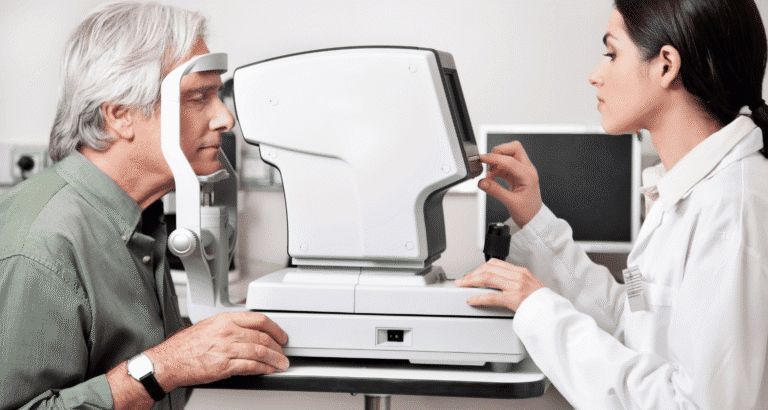
If reading is giving you headaches or close work leaves your eyes feeling tired, the right next step is a real eye exam. Guessing your prescription or grabbing readers off a shelf might help short-term, but it will not tell you what is actually going on.
You can also explore our guide on presbyopia vs myopia to better understand the differences between common vision changes and how they affect daily life.
For prescription eyeglass options including progressive and bifocal lenses, visit our prescription eyeglasses and lens options.
Barnes Talero EyeCare helps Nashville patients of all ages get clear, comfortable vision. Visit Barnes Talero EyeCare to book your appointment or learn more about our services.Call (615) 485-6251 or email info@barnestaleroeyecare.com to get started.