Glaucoma is one of the leading causes of permanent vision loss in the world. The most alarming part is that most people have no symptoms at all in the early stages. By the time vision changes are noticeable, real damage has already been done. A glaucoma test is the only reliable way to catch it early and protect your sight before it is too late.
This article covers everything you need to know about glaucoma testing. You will learn what the tests are, why they matter, what to expect during the process, and which types of tests your eye doctor may use. If you are over 40, have a family history of glaucoma, or have not had an eye exam recently, this is important reading.
We provide thorough glaucoma testing and treatment for Nashville patients at every stage of risk.
What Is a Glaucoma Test?
A glaucoma test is a set of eye assessments used to check the health of your optic nerve and measure the pressure inside your eye. These tests help your eye doctor find out whether glaucoma is present, how advanced it is, and how fast it is progressing.
No single test tells the whole story. Most eye doctors use a combination of tests during one visit to get a complete picture of your eye health. The good news is that glaucoma tests are quick, painless, and non-invasive.
As the Mayo Clinic explains in their glaucoma diagnosis guide, regular eye exams that include glaucoma testing are one of the most effective ways to catch the condition early and prevent permanent vision loss.
Why Is Glaucoma Testing Important?
Glaucoma is often called the “silent thief of sight.” It develops slowly and causes no pain in the early stages. Most people do not notice any vision changes until the disease has already caused significant optic nerve damage.
Once that damage happens, it cannot be reversed. But if glaucoma is caught early through testing, treatment can slow or stop it from getting worse.
Regular testing is especially important if you fall into any of these higher risk groups:
You are over age 40. You have a family history of glaucoma. You have diabetes or high blood pressure. You are of African, Hispanic, or East Asian descent. You have had an eye injury or eye surgery in the past.
The American Academy of Ophthalmology recommends complete eye exams every one to three years for people aged 40 to 54, every one to two years for ages 55 to 64, and every six to twelve months for those 65 and older.
We also recommend regular screenings as part of our broader eye conditions care at Barnes Talero EyeCare.
What to Expect During a Glaucoma Test
Most patients feel nervous before their first glaucoma exam. The process is actually straightforward and comfortable.
Your eye doctor will begin with a general review of your eye health and vision. From there, they will perform one or more specific tests depending on your risk level and history. Each test takes only a few minutes per eye.
You may receive eye drops to numb your eyes or dilate your pupils for certain tests. If your pupils are dilated, plan to have someone drive you home, as your vision will be temporarily blurry and sensitive to light.
Results from most glaucoma tests are available the same day. Your doctor will walk you through what the findings mean and whether any follow-up care or treatment is needed.
Types of Glaucoma Tests
1. Eye Pressure Check (Tonometry)
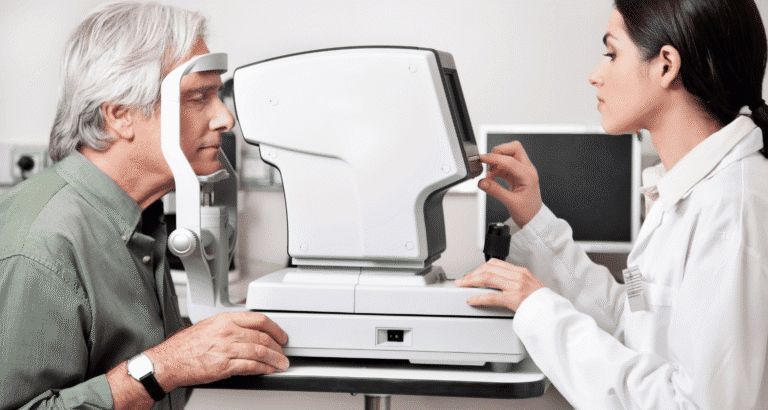
This is the most common first step in glaucoma testing. Tonometry measures the pressure inside your eye, called intraocular pressure or IOP.
Normal eye pressure typically falls between 12 and 21 mmHg. A reading above 21 mmHg can be a warning sign for glaucoma, though some people develop the condition with normal pressure levels too.
The most accurate version of this test is called applanation tonometry. Your eye is numbed with drops, and a small instrument gently touches the surface of your eye to take a pressure reading. It takes only seconds and does not hurt.
As WebMD’s glaucoma testing overview notes, tonometry is one of the key screening tools doctors rely on because elevated eye pressure is the most significant risk factor for optic nerve damage.
2. Visual Field Test (Perimetry)
This test checks your peripheral vision, which is the vision you have to the sides while looking straight ahead. Glaucoma often affects side vision first, which is why this test is so important for monitoring the disease.
During the test, you look into a machine and respond when you see flashes of light appear in different parts of your visual field. The machine records which lights you can and cannot see.
The results help your doctor understand how much vision has been affected and how quickly the disease may be progressing. This test may need to be repeated over time to track any changes.
3. Optic Nerve Imaging (OCT)
This test takes detailed pictures of your optic nerve and the tissue around it. Your doctor uses a special digital camera or a machine called optical coherence tomography to capture images.
The images show each layer of tissue at the back of your eye. Your doctor can compare these images over time to detect even small changes in the optic nerve before vision loss begins.
This is one of the most valuable tests for catching early signs of glaucoma because changes in the optic nerve often show up in imaging before they appear in a visual field test.
4. Dilated Eye Exam
During this exam, eye drops are used to widen your pupil. This gives your doctor a clear, magnified view of your optic nerve and retina.
Your doctor looks at the size, shape, color, and structure of the optic nerve. Any changes in appearance can indicate glaucoma or other eye conditions. This exam is a key part of any complete eye health evaluation.
If you have not had a dilated eye exam recently, our team at Barnes Talero EyeCare can include it as part of your comprehensive eye care visit.
5. Corneal Thickness Test (Pachymetry)
This test measures how thick your cornea is. Corneal thickness matters because it affects how accurate your eye pressure readings are.
A thin cornea can make pressure readings appear lower than they actually are, which could cause glaucoma to go undetected. A thick cornea can make pressure look higher than it is.
Knowing your corneal thickness helps your doctor adjust and interpret your pressure readings correctly. The test is quick and painless. Your eye is numbed with drops, and a small probe gently touches the cornea for just a moment.
6. Angle Test (Gonioscopy)
This test examines the drainage angle of your eye, which is the area where fluid leaves the eye. If this angle is blocked or too narrow, fluid builds up and raises pressure inside the eye.
Your doctor uses a special lens placed on the numbed surface of your eye to look at this angle directly. The results help classify what type of glaucoma you may have, either open-angle or closed-angle, and guide treatment decisions.
Who Should Get Glaucoma Testing?
Anyone over the age of 40 should include glaucoma screening as part of their regular eye care routine. It is especially important if you have risk factors like family history, diabetes, or a history of eye injury.
We manage glaucoma and other serious eye conditions as part of our ocular disease management services in Nashville. Early detection through regular testing is always the best step you can take to protect your long-term vision.
Patients with diabetes should also be aware that diabetic eye disease and glaucoma can occur together. We offer dedicated diabetic retinopathy screenings that include monitoring for glaucoma risk. If you are concerned about macular health as well, our team handles macular degeneration treatment as part of our full range of eye disease care.
Frequently Asked Questions
What are the different types of glaucoma tests?
The main types are tonometry (eye pressure check), visual field testing, optic nerve imaging, dilated eye exam, corneal thickness measurement, and gonioscopy. Most exams use a combination of several tests.
How is a glaucoma test done?
Your eye doctor numbs your eye with drops and uses different tools to check eye pressure, examine the optic nerve, and assess your visual field. The tests are quick and painless and usually take under an hour total.
What is the first test for glaucoma?
Tonometry is typically the first test. It measures the pressure inside your eye. Elevated pressure is the most common early warning sign that prompts further testing.
What is the most accurate glaucoma test?
No single test is perfectly accurate on its own. A combination of tonometry, optic nerve imaging, and visual field testing together gives the most reliable picture of whether glaucoma is present and how severe it is.
What is the gold standard for the glaucoma test?
Goldmann applanation tonometry is widely considered the gold standard for measuring eye pressure. For angle evaluation, gonioscopy using a four-mirror lens is the gold standard among eye doctors.
What is the new test for glaucoma?
Optical coherence tomography (OCT) is one of the most advanced tools now used widely in glaucoma care. It captures detailed images of the optic nerve layers and can detect damage earlier than many traditional methods. Research into blood-based biomarker testing is also ongoing, though OCT remains the most established modern tool in clinical practice.
Protect Your Vision with Regular Glaucoma Testing
Glaucoma does not wait, and neither should you. The best time to get tested is before any symptoms appear. A simple, painless exam could make all the difference in protecting your sight for years to come.
At Barnes Talero EyeCare, our team provides thorough glaucoma testing and follow-up care for Nashville patients. Call us at (615) 485-6251 or book your appointment online today.